The Novin Industrial Group Story

From the First Die to Integrated Production

The story of a family business that began by making dies in a rented workshop in eastern Tehran and grew into die-cast production and machining in Abbasabad Industrial City.

1995–1998

A Family’s Knowledge and Perseverance

Hamid Eshaghi, the current CEO of Novin Industrial Group, entered the die-casting toolmaking profession after earning a master’s degree in metallurgy from Iran University of Science and Technology. His first project was a die for a “motor-room coupling adapter” for Aras Pump Company, built in a rented workshop in eastern Tehran. The part remains in production and has become a symbol of continuity over the years.

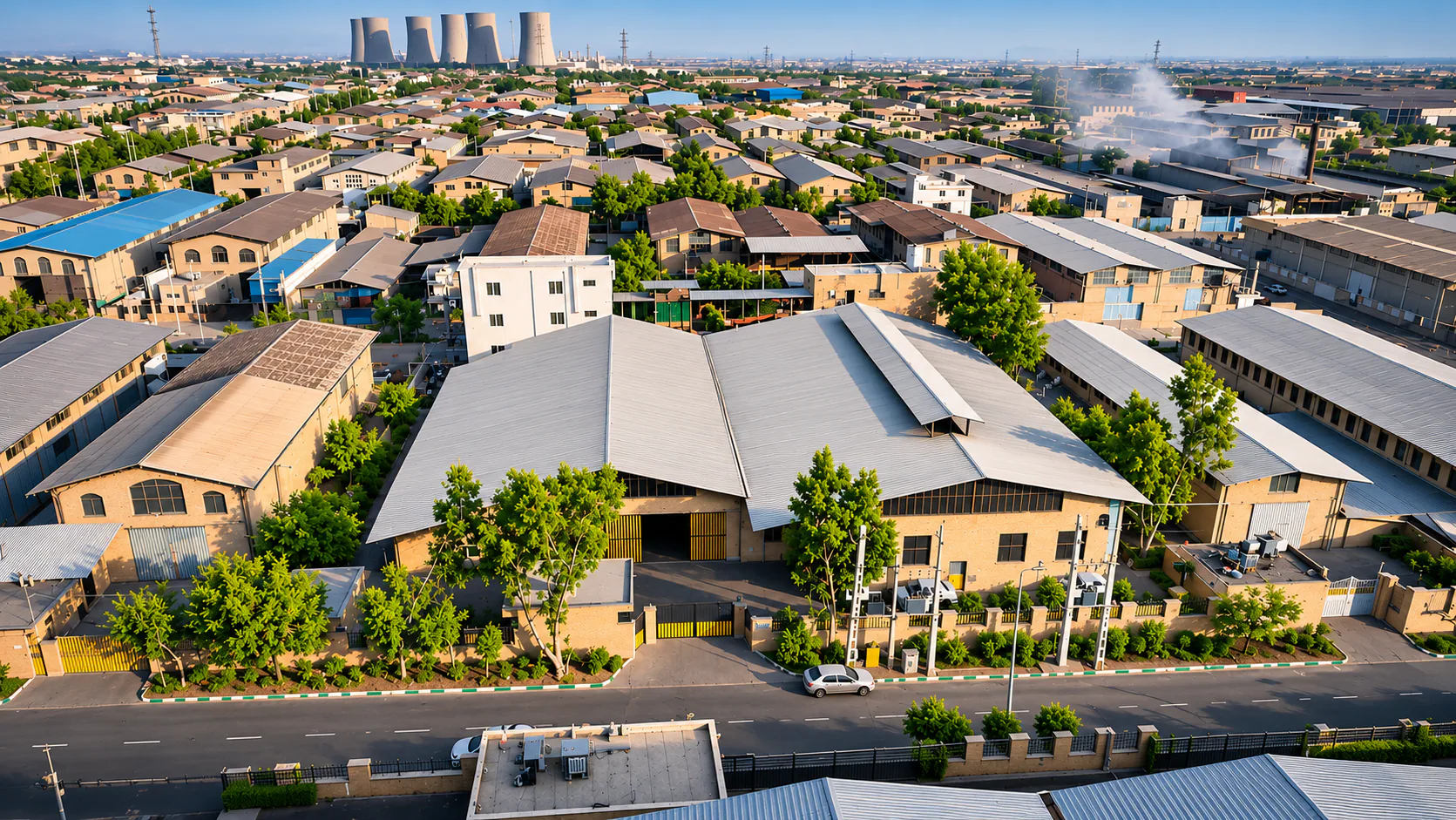
The project’s success led Abbasali Eshaghi, a retired colonel in the Iranian Army, and his brother Gholamhossein Eshaghi to jointly provide the initial capital for the factory. During 1995–1996, Colonel Eshaghi purchased a 3,480 m² site in Abbasabad Industrial City and supervised construction of the first hall every day.
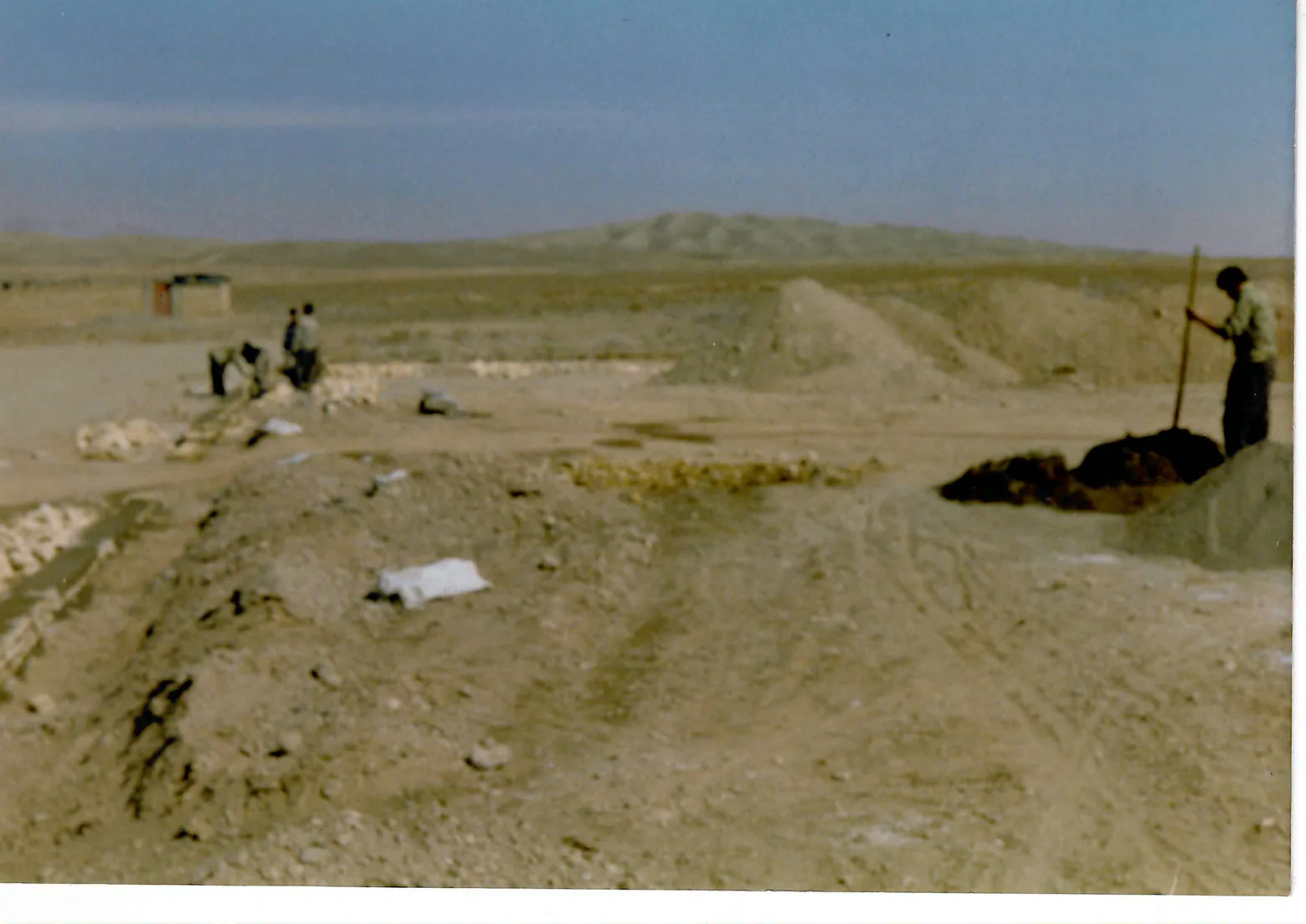
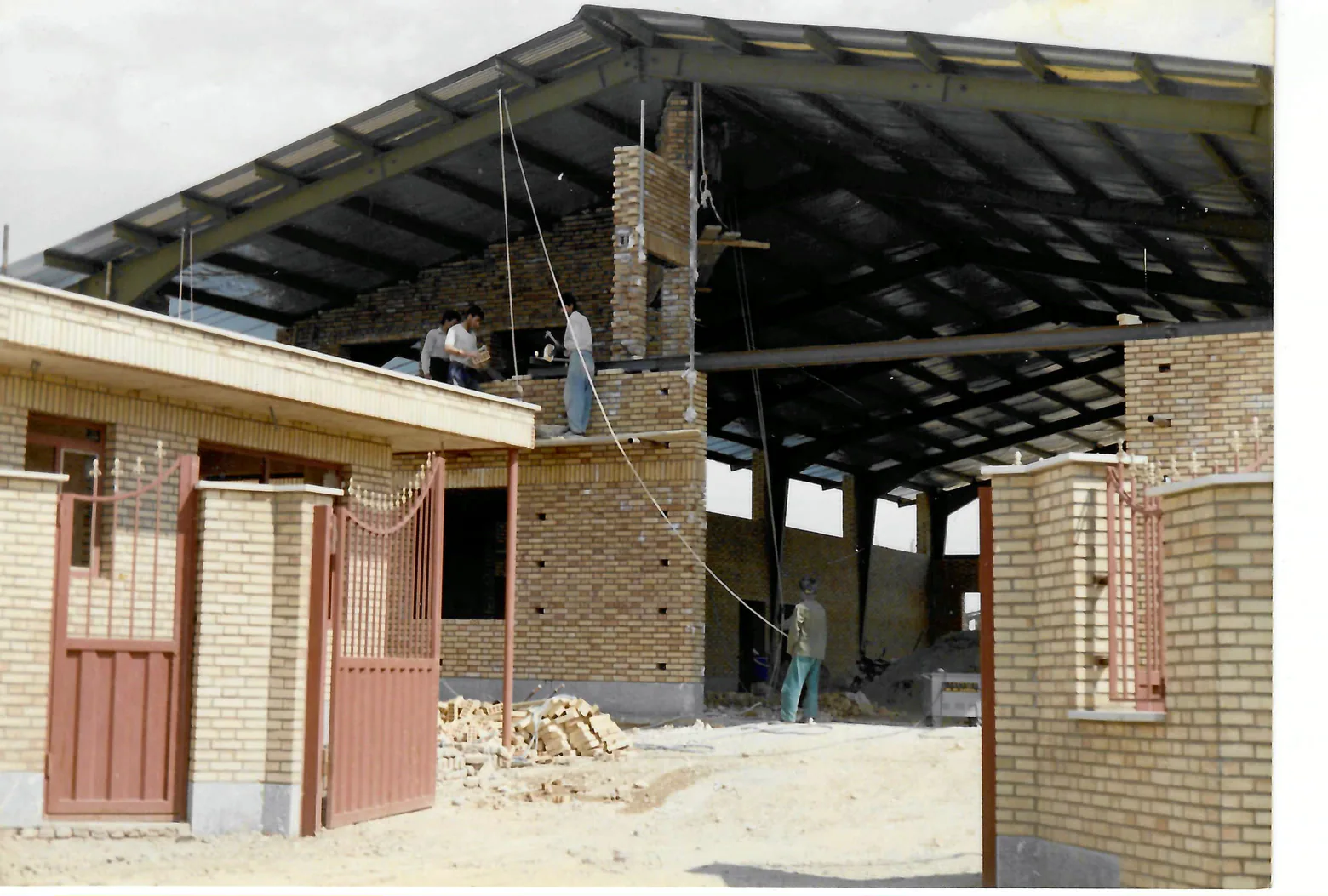
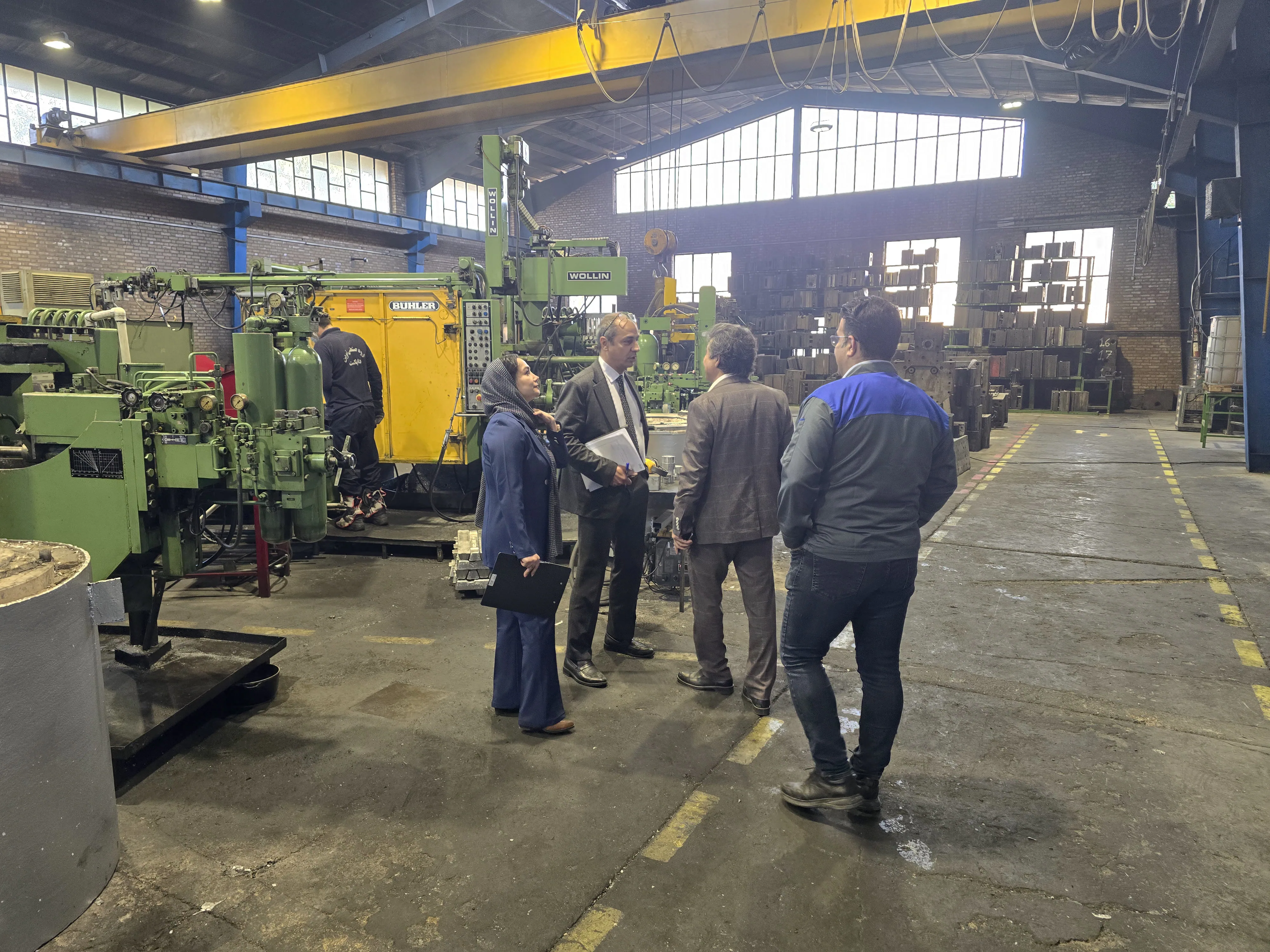
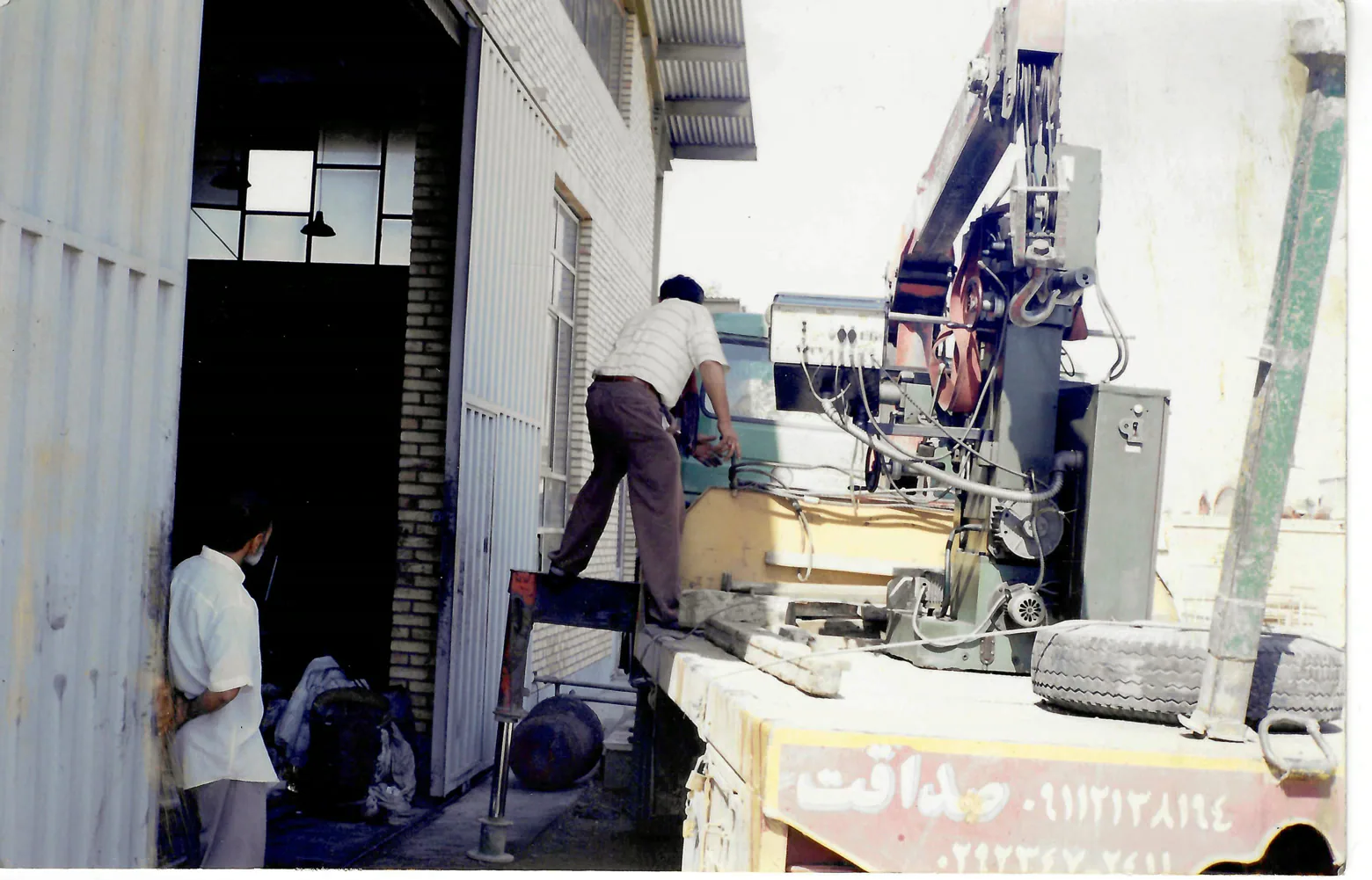
Once the 1,600 m² first hall was ready, toolmaking equipment, including a lathe and EDM machine, was moved to the factory. A Russian Model 08 die-casting machine was also purchased to begin production. During 1997–1998, die-cast production started in the new hall with the same motor-room coupling adapter.
2002–2007

Production Expansion and Toolroom Development

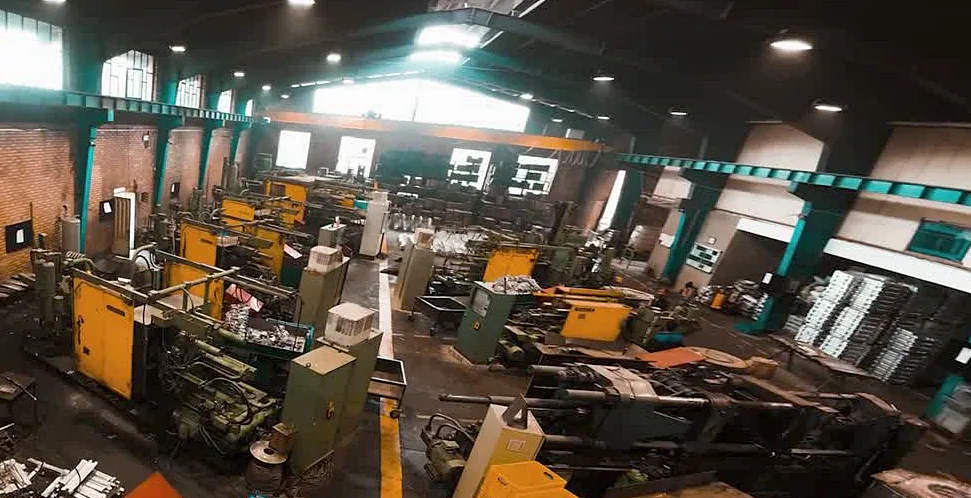
As the number of die-casting machines grew, the factory required more production space. During 2002–2003, a second 1,600 m² hall was built on the same site and dedicated to die-cast production.

Vahid Eshaghi joined Novin Industrial Group as a software engineer during 2003–2004. After completing specialist courses in die-casting die design, he began designing these dies during 2005–2006. In the same period, Jaber Eshaghi joined Production.

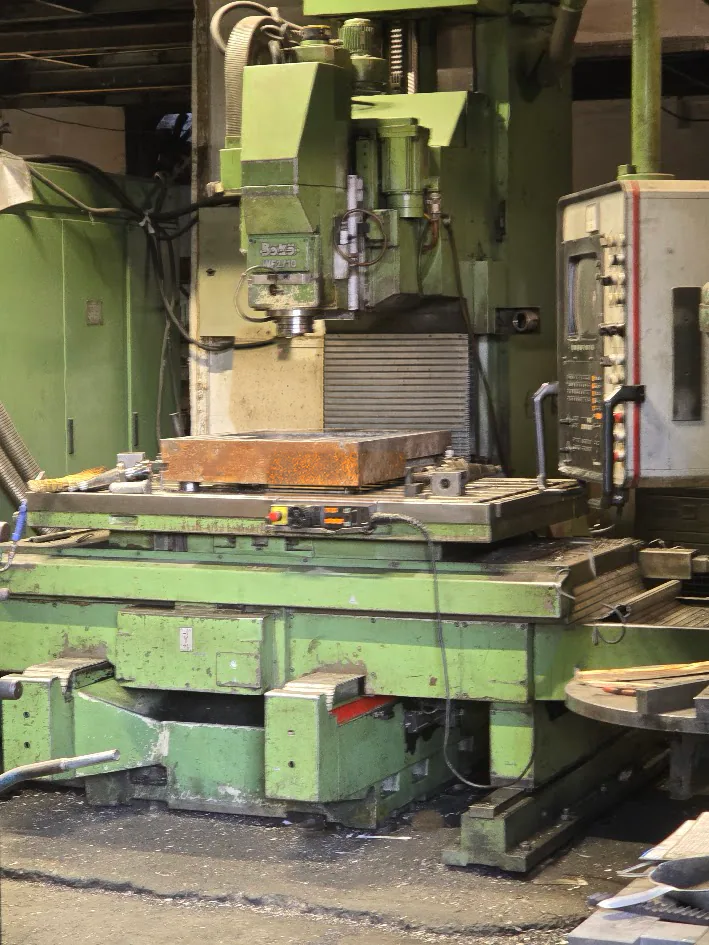
One of the toolroom’s earliest purchases was a Deckel manual milling machine. As the die-casting hall gained equipment and revenue increased, factory management purchased the workshop’s first CNC machine during 2006–2007. The toolmaking team could then transfer software-based designs to die components with greater precision, improving die quality and shortening project lead times.

2011–2015

Alloy-Composition Control and Greater Die-Making Capacity

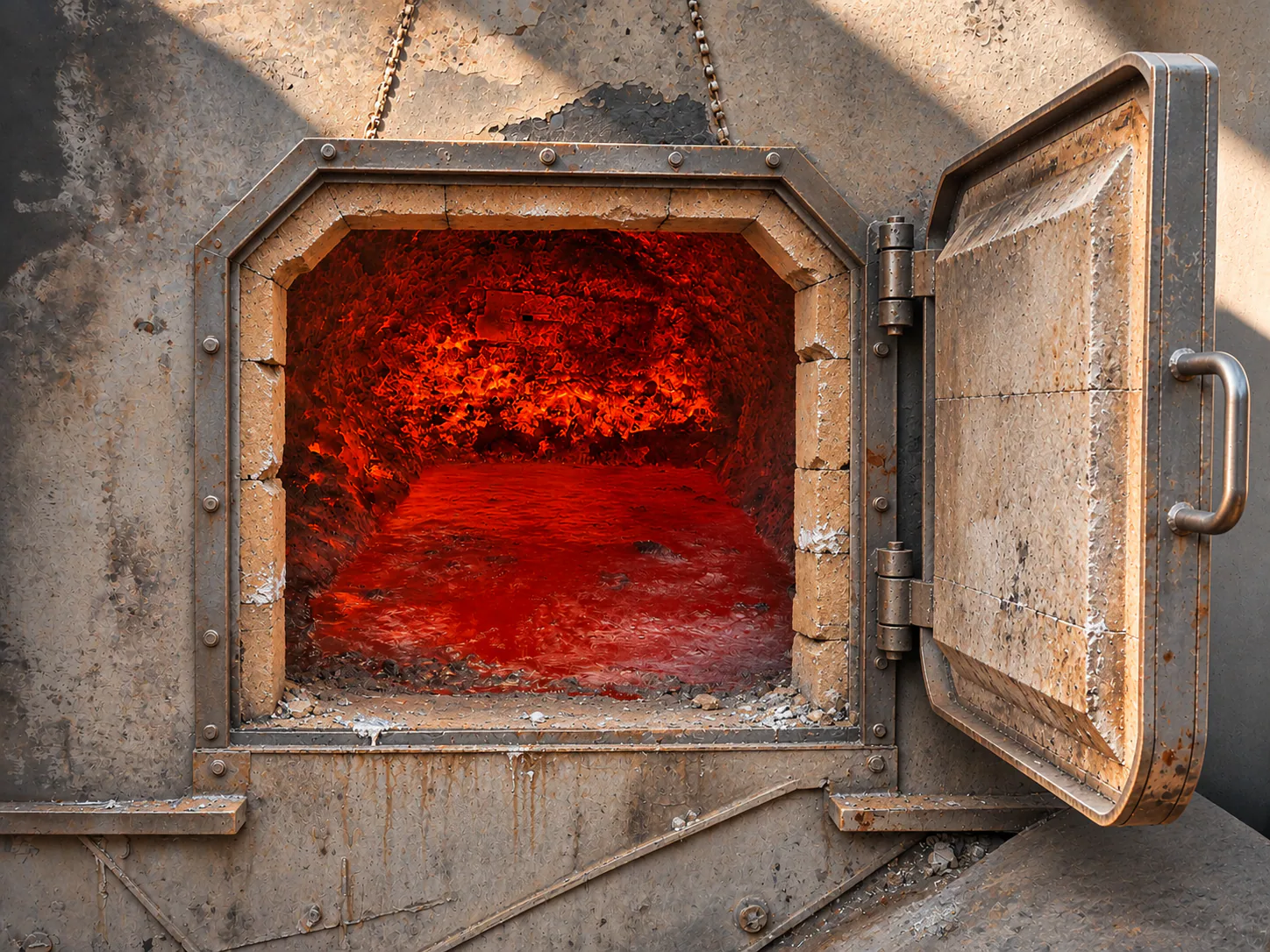
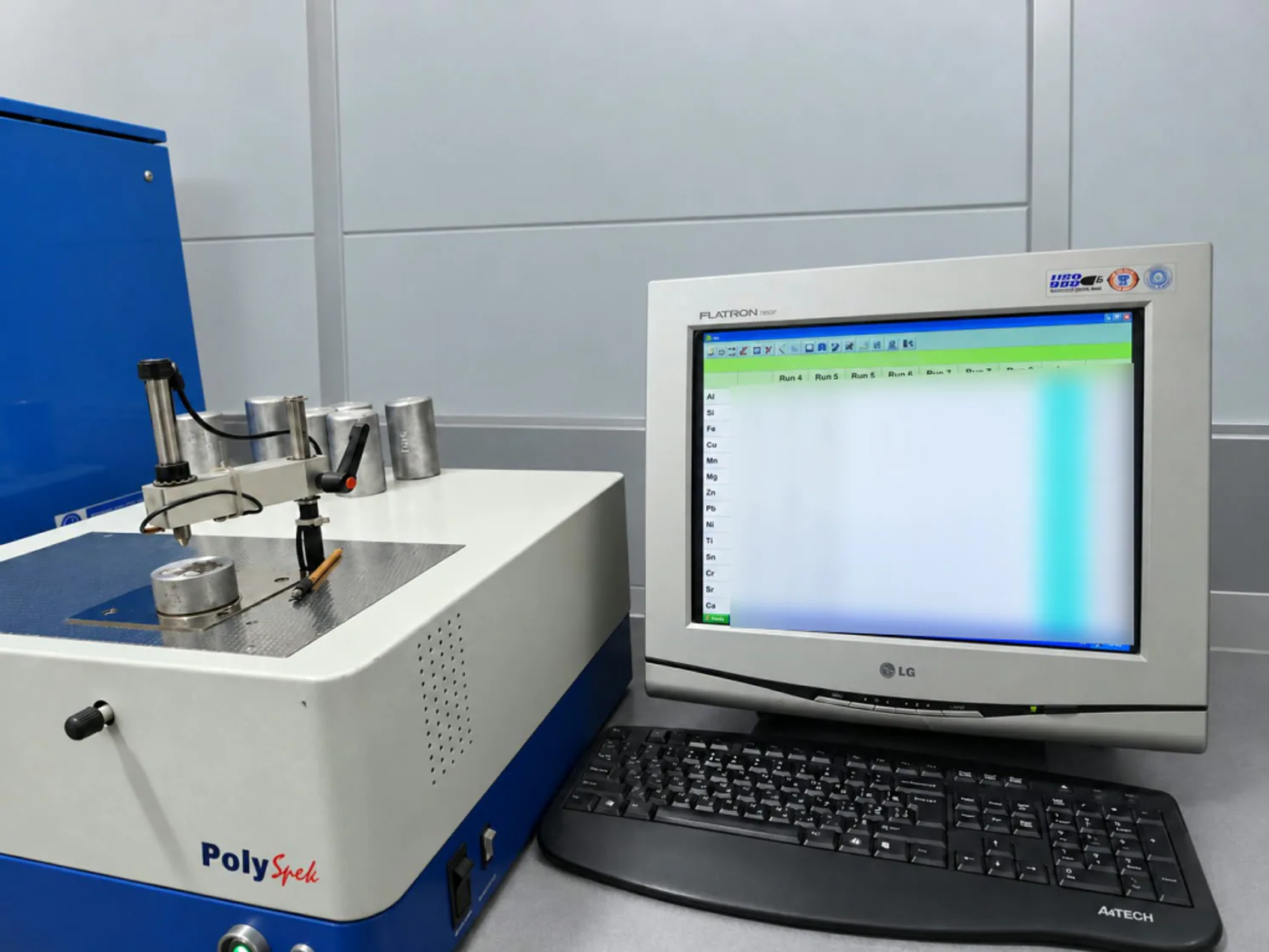
As the die-casting line expanded, the old central furnace could no longer supply enough melt. During 2011–2012, the factory built its first two-tonne furnace and added a spectrometer in the same period. Production and Quality Control then gained more precise information on incoming-material and production-sample composition and could make decisions from analysis results.

As die-making orders increased, the workshop needed to complete dies faster. A second CNC machine was added during 2014–2015, while several more die-casting machines were commissioned during the same period. Bahman Eshaghi began working on the production line during that period and manages it today.

2017–2022

From Machine Data Capture to Order Management

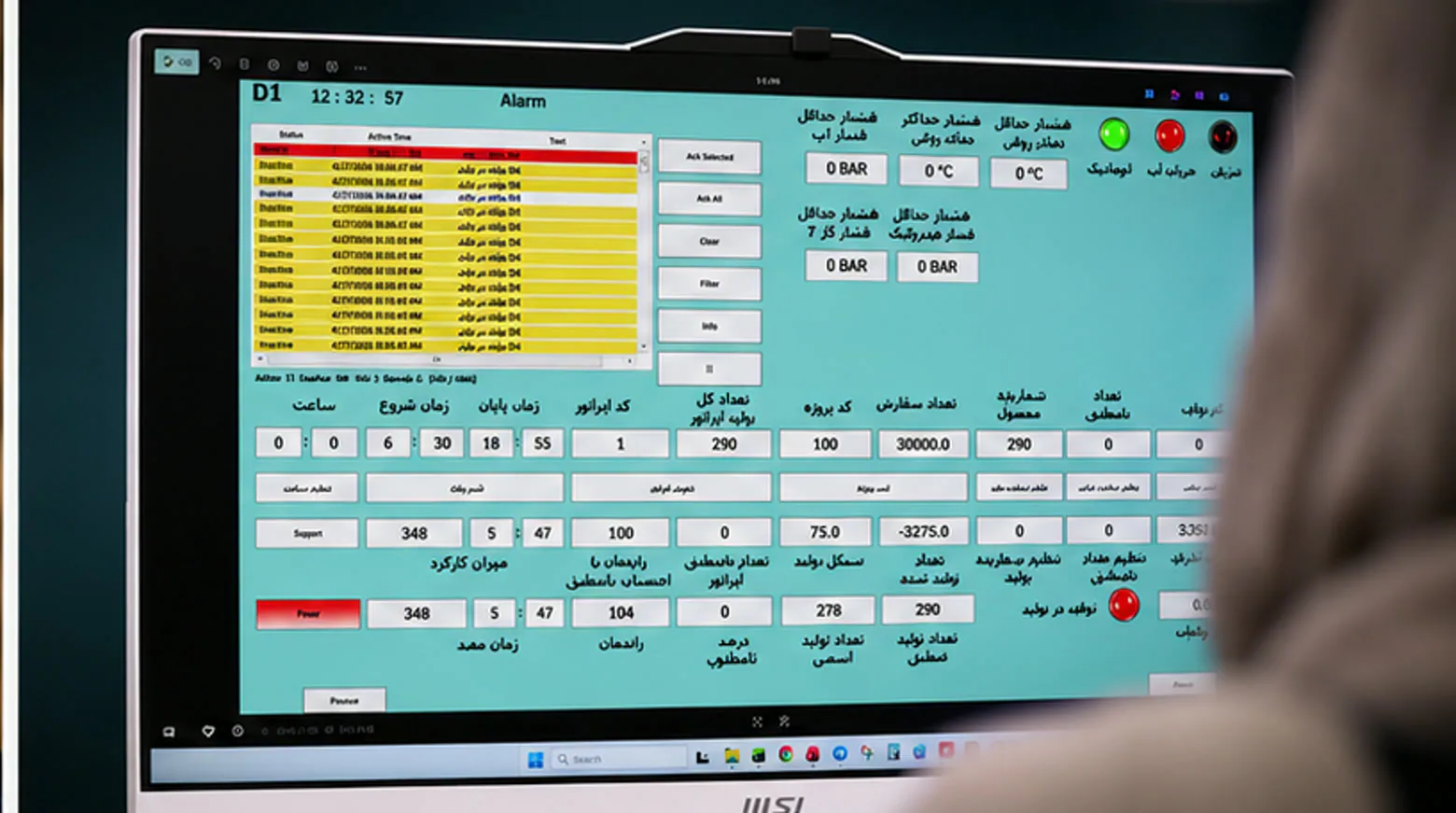
During 2017–2018, Novin Industrial Group began an automation project to document die-casting line data and monitor machine status online. In its first phase, the system recorded part output, machine-water circulation, and oil pressure and temperature.

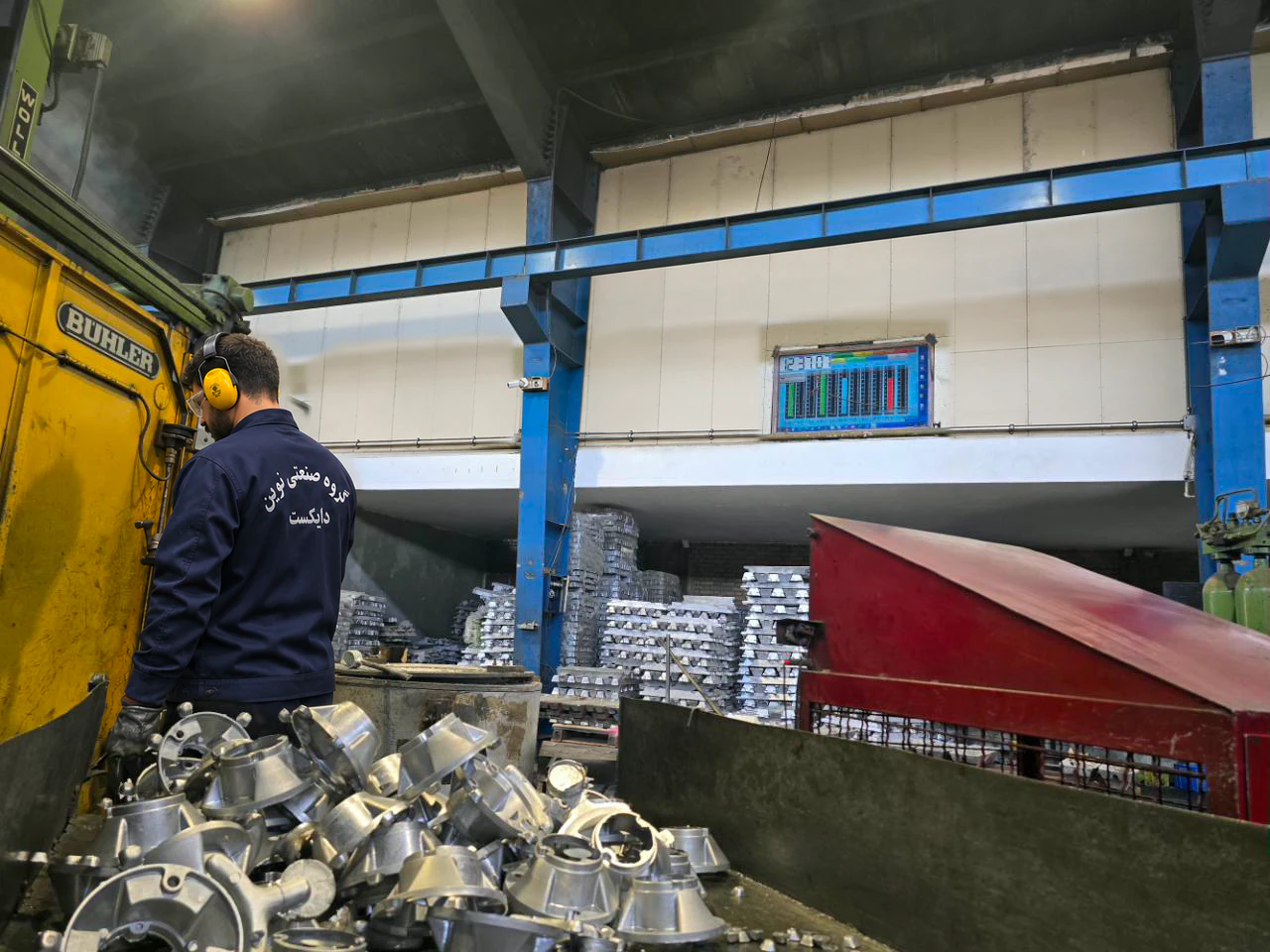
Digital records of defective parts and every shot made operator-productivity monitoring possible. From the 2019–2020 period onward, a live productivity chart was displayed in the production hall so operators could see results during production and adjust their work. The data became the basis of the line’s incentive system, which assessed output and quality together and enabled operators to improve against both measures. The approach helped increase production volume and reduce defective parts.

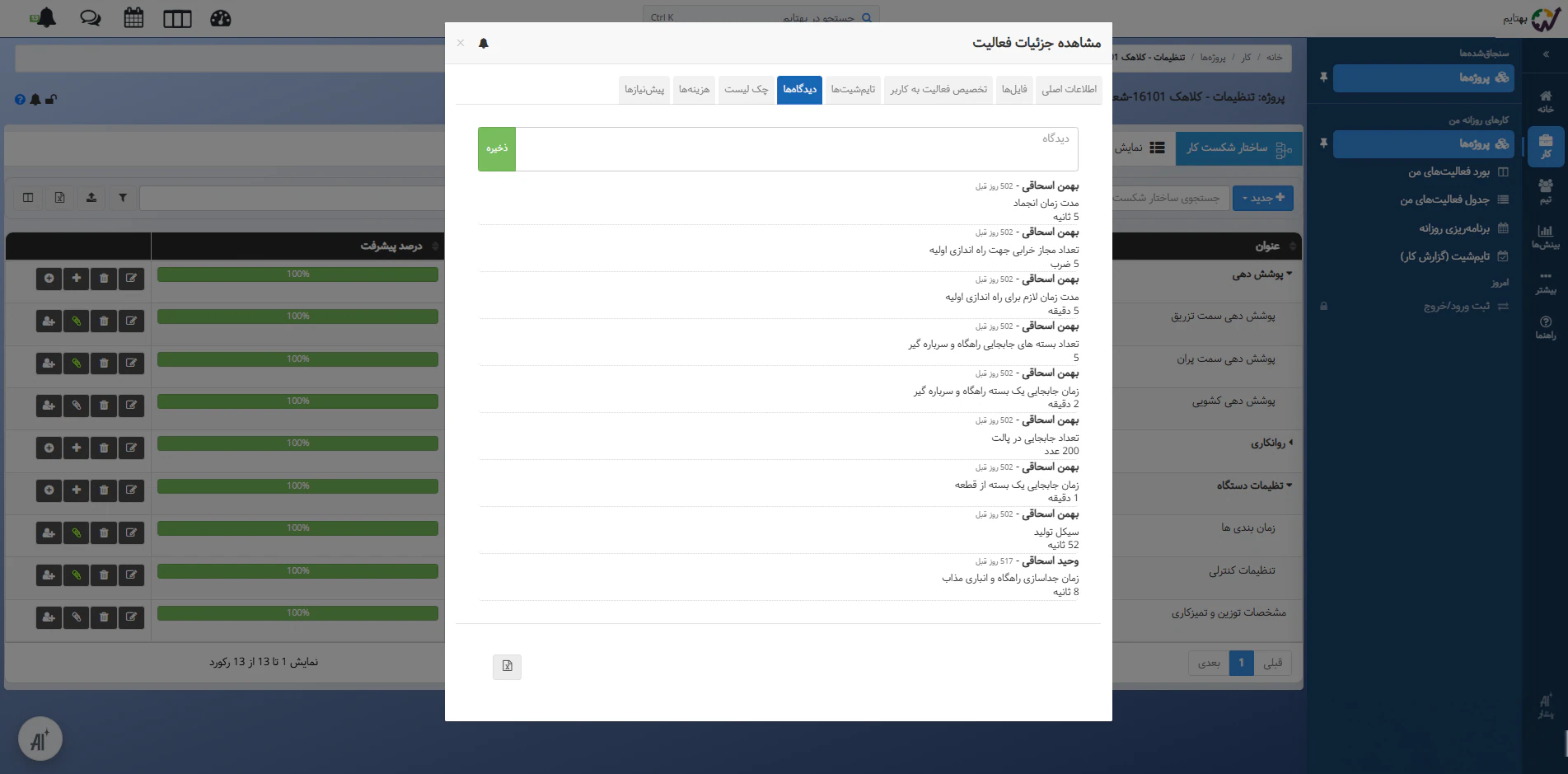
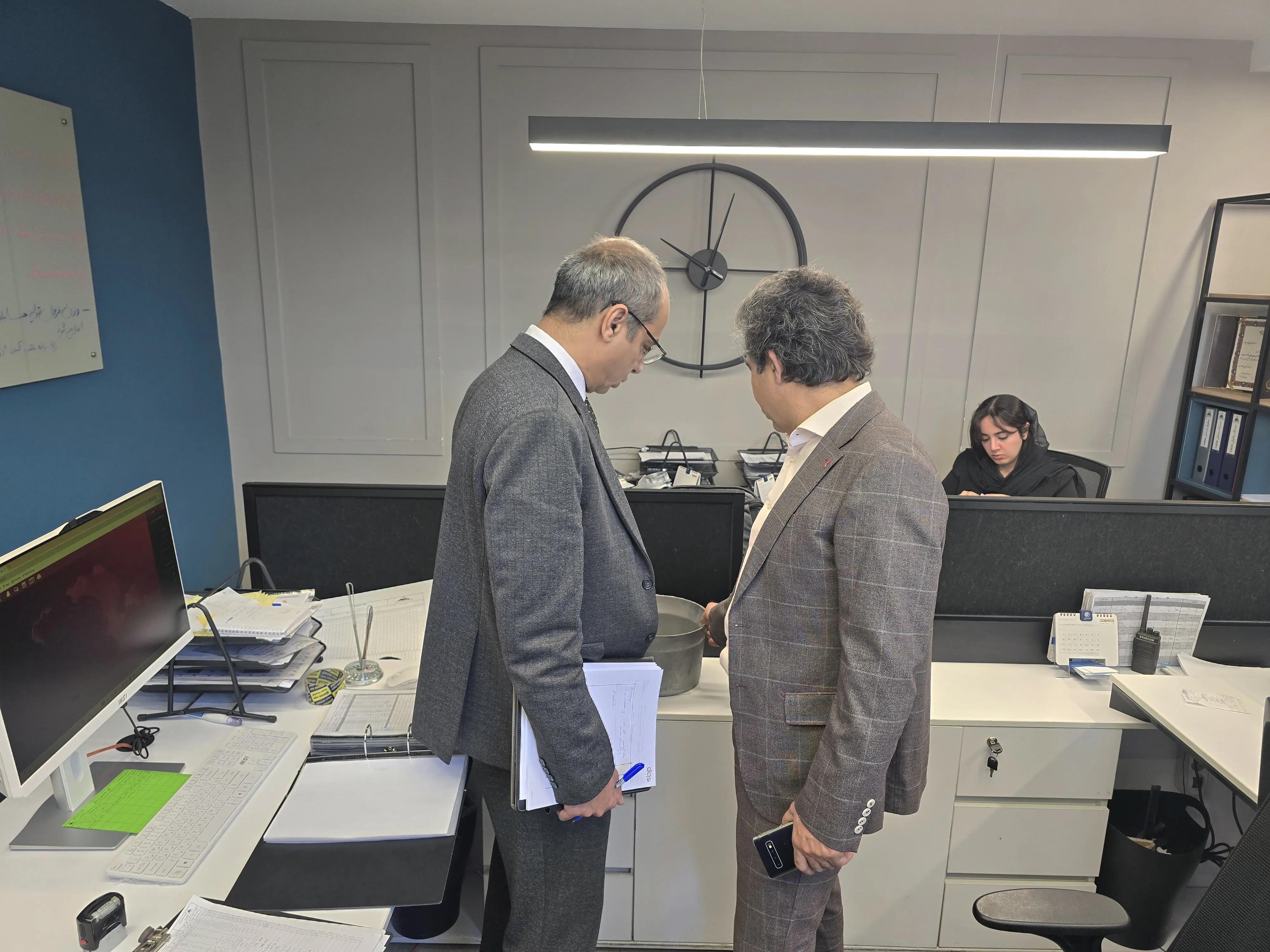
During 2021–2022, the management team adopted project-control software for order management and die-cast production planning. Over time, the workflow expanded to planning and tracking die design, manufacturing, and trials, as well as production and quality-control records. Today, every order can be followed from registration and production planning through final inspection and authorization for packaging and shipment.

2022–2023

Expansion of Melting Capacity

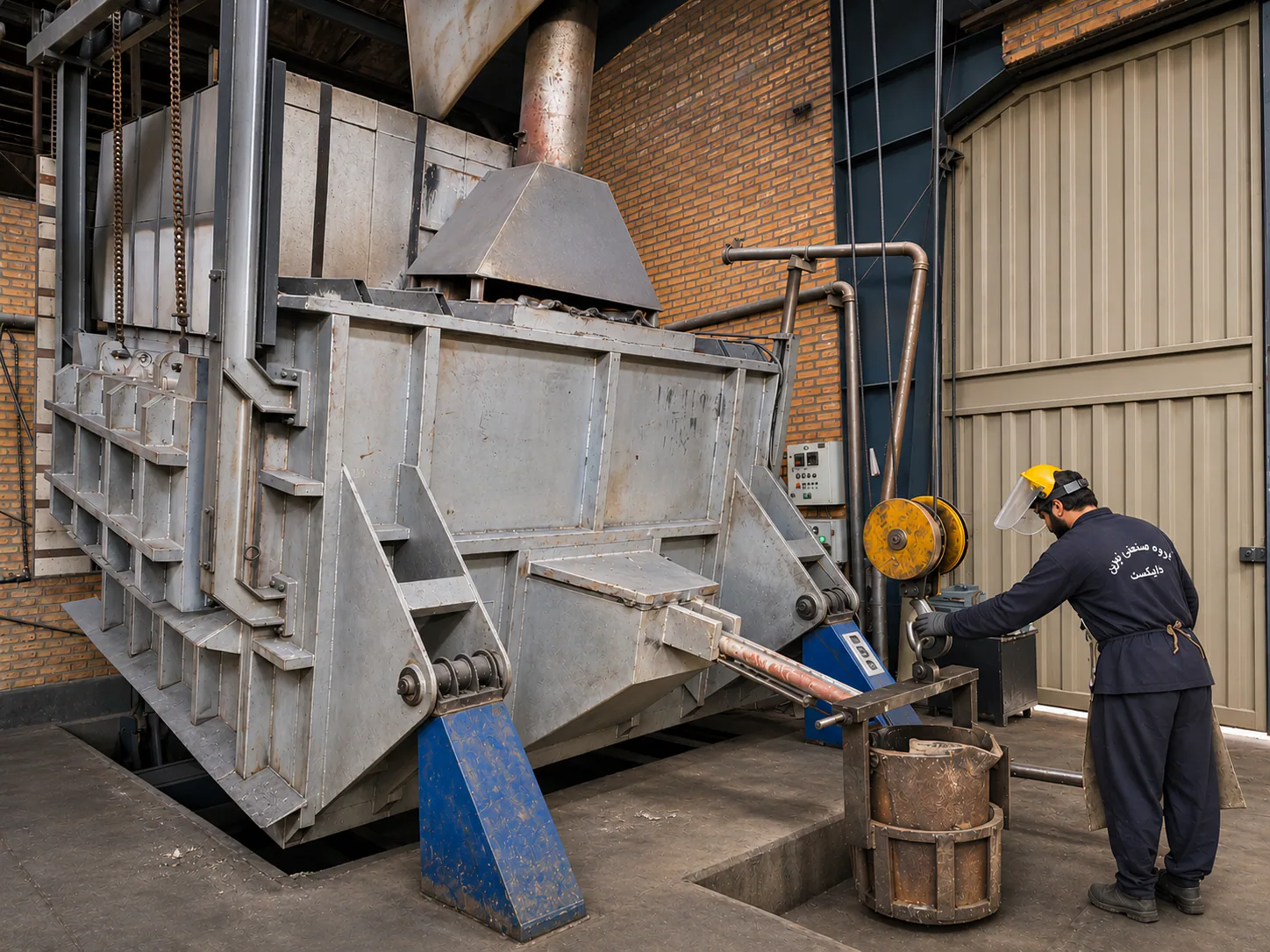
As customer numbers and output grew, the factory needed greater melt-supply capacity. During 2022–2023, a seven-tonne tilting furnace was added. Serving as the central furnace, it made melt supply to the die-casting machines more reliable. At the same time, scrap and ingot melting routes were separated, and records for each melt improved traceability.

Since the 2023–2024 Period

Quality Management System Implementation

During 2023–2024, Novin Industrial Group began implementing a quality management system based on ISO 9001 and received certification from BRSM during the same period. The system supported greater production accuracy, improved part quality, higher productivity, and increased employee and customer satisfaction.

During 2025–2026, Quality Control management was entrusted to Matin Jalilian, representing the family’s third generation. The IATF 16949 certification process was also completed during that period. On 24 March 2026, DQS issued the ISO 9001 certificate and IATF 16949 approval for die-cast part production.

2025–2026

Die-Casting Simulation and Launch of the Machining Unit

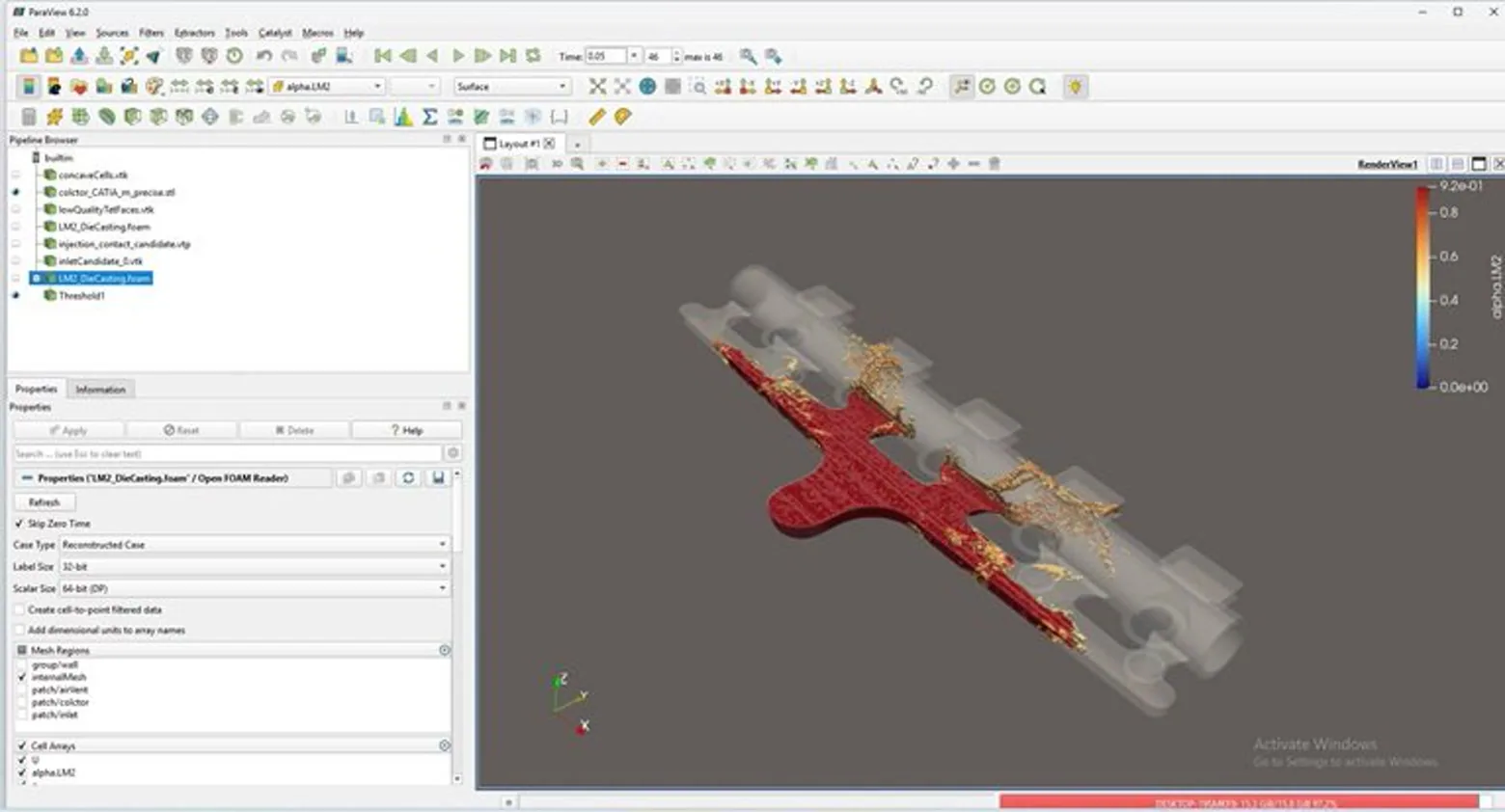
During 2025–2026, the engineering team added die-casting process simulation to the die-design stage. This enabled melt behavior to be reviewed before die manufacture and required changes to be made in the design phase, reducing the risk of costly post-manufacture modifications.

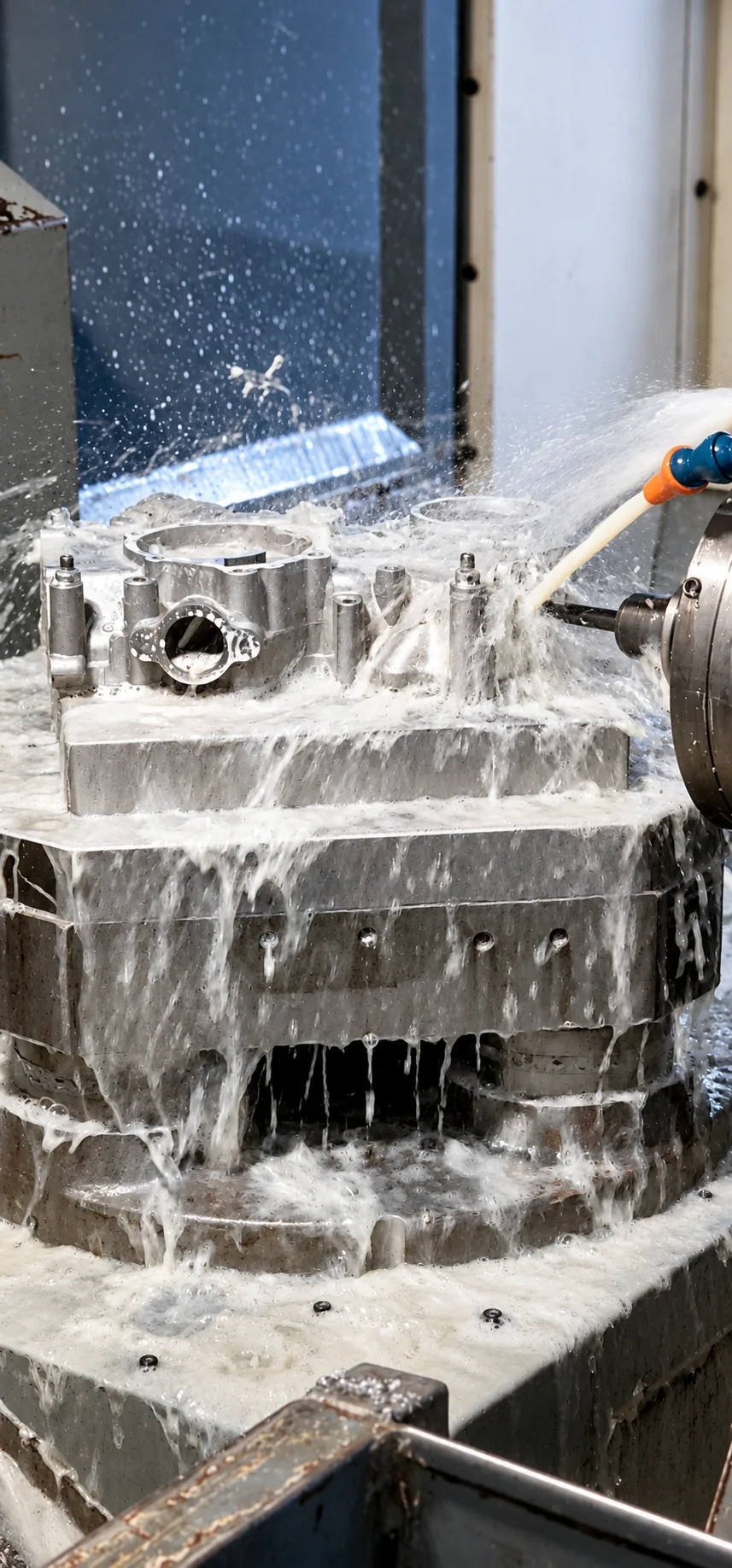
In the same year, increasing demand for finished parts led to the launch of a dedicated machining unit on a 1,250 m² site. Its hall has 760 m² of floor area and is managed by Jaber Eshaghi.

Industry Collaboration

Collaboration with the Iran Die Casting Association

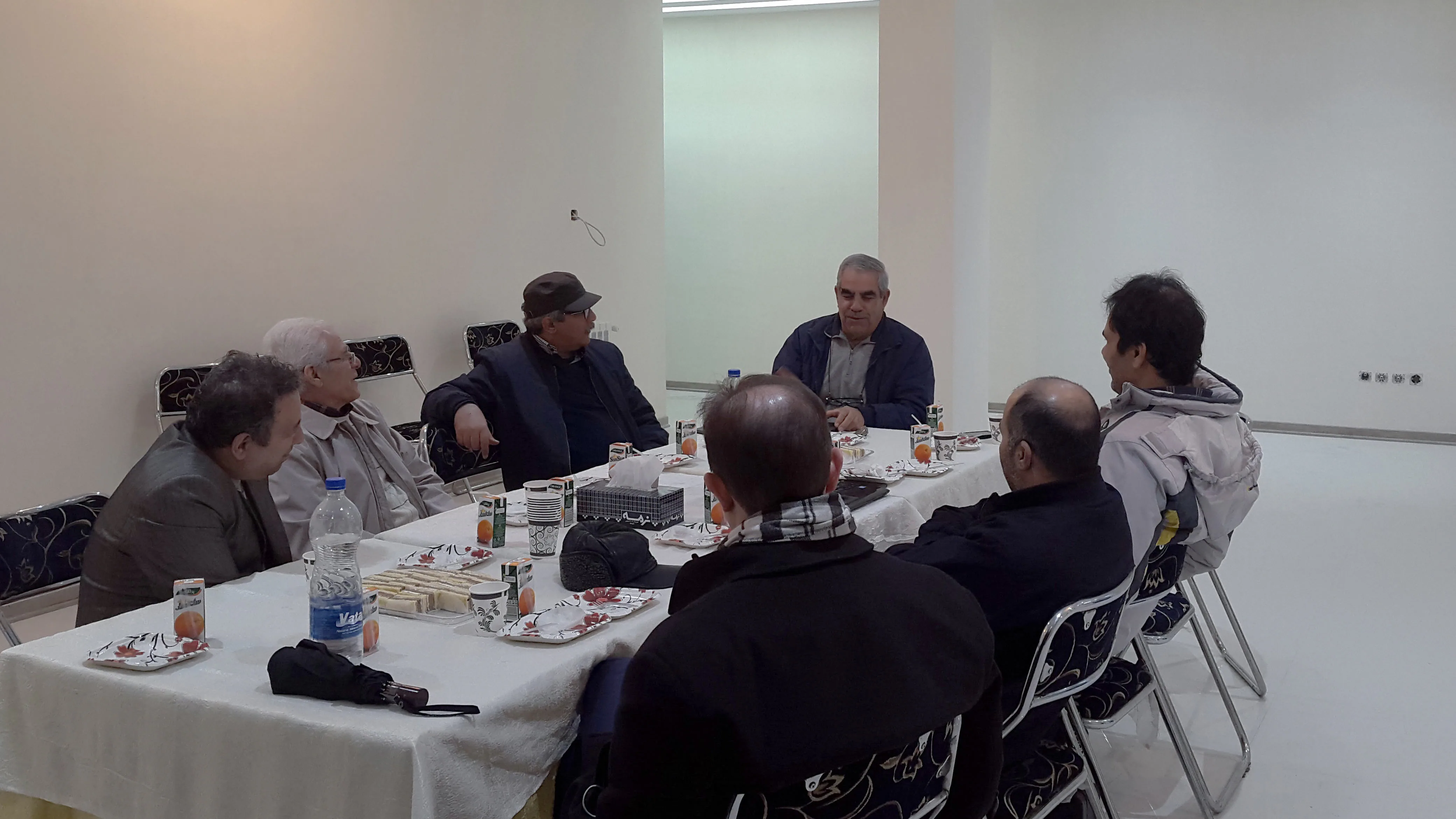
Colonel Eshaghi was among the industry veterans who helped establish the Iran Die Casting Association. He met with industry colleagues and worked with them to pursue the purchase of the association’s building.

In the next generation, Hamid Eshaghi and Vahid Eshaghi served on the association’s executive board in different terms and contributed to its Education and Technology Committee programs. Novin Industrial Group remains an official member and continues the collaboration today.

Novin Industrial Group Today

Employee Accommodation

Employee facilities expanded alongside production. The first phase of the employee residence was completed during 2006–2007, and the second phase was completed during 2025–2026. The building contains 14 suites in total.

Employee Residence on the Factory Site

Three Generations in One Industry

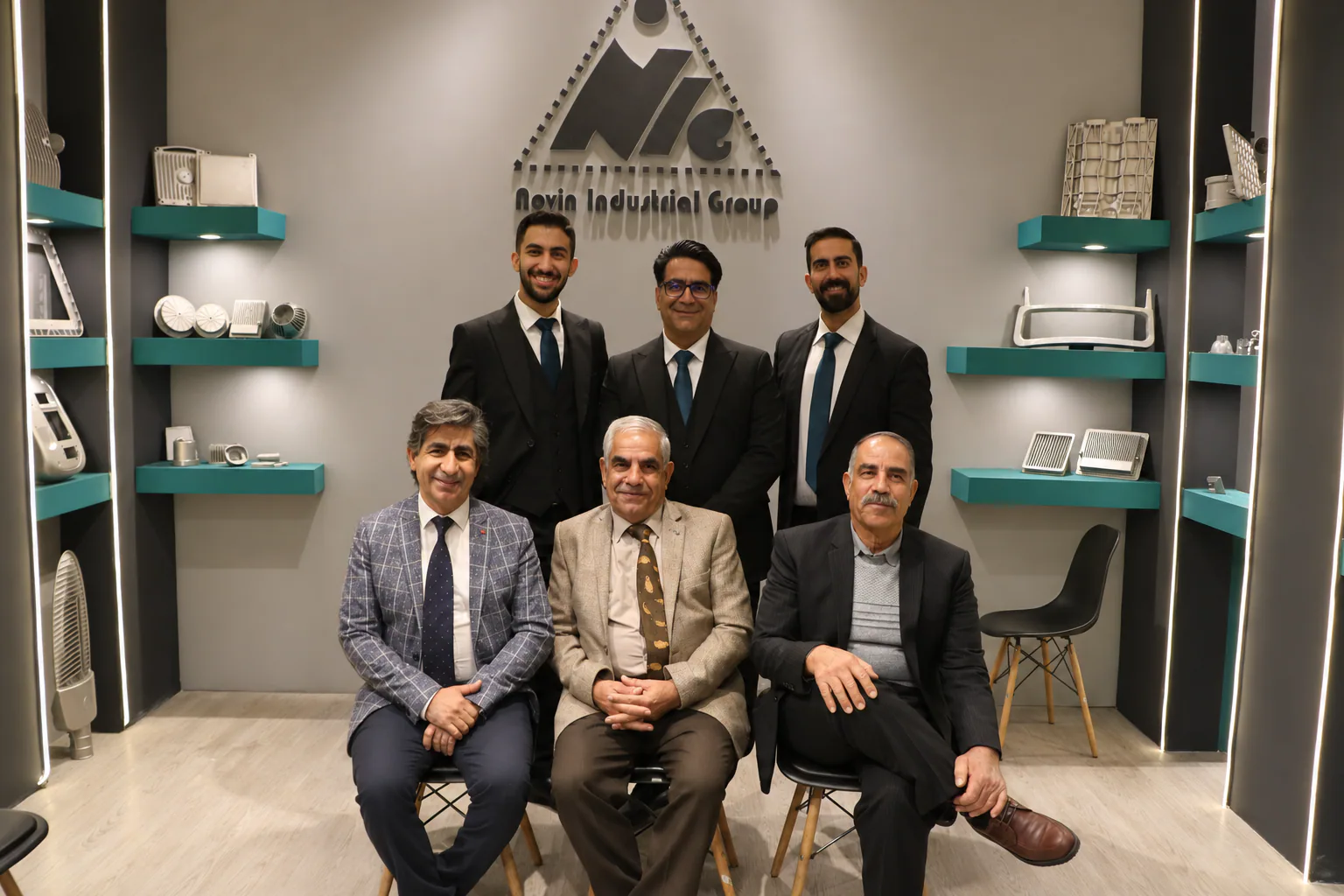
Our work began with die making. Product engineering, alloying, die-cast production, machining, and quality control were added over time, with each generation taking responsibility for part of the chain. Throughout these years, family management and a belief in manufacturing and entrepreneurship have remained the basis of our decisions.