
Die Casting & Component Manufacturing Knowledge Base
From understanding the production process to drawing review, die manufacturing, and quality control: practical guidance for better industrial component sourcing and production decisions.
12 Articles to Explore
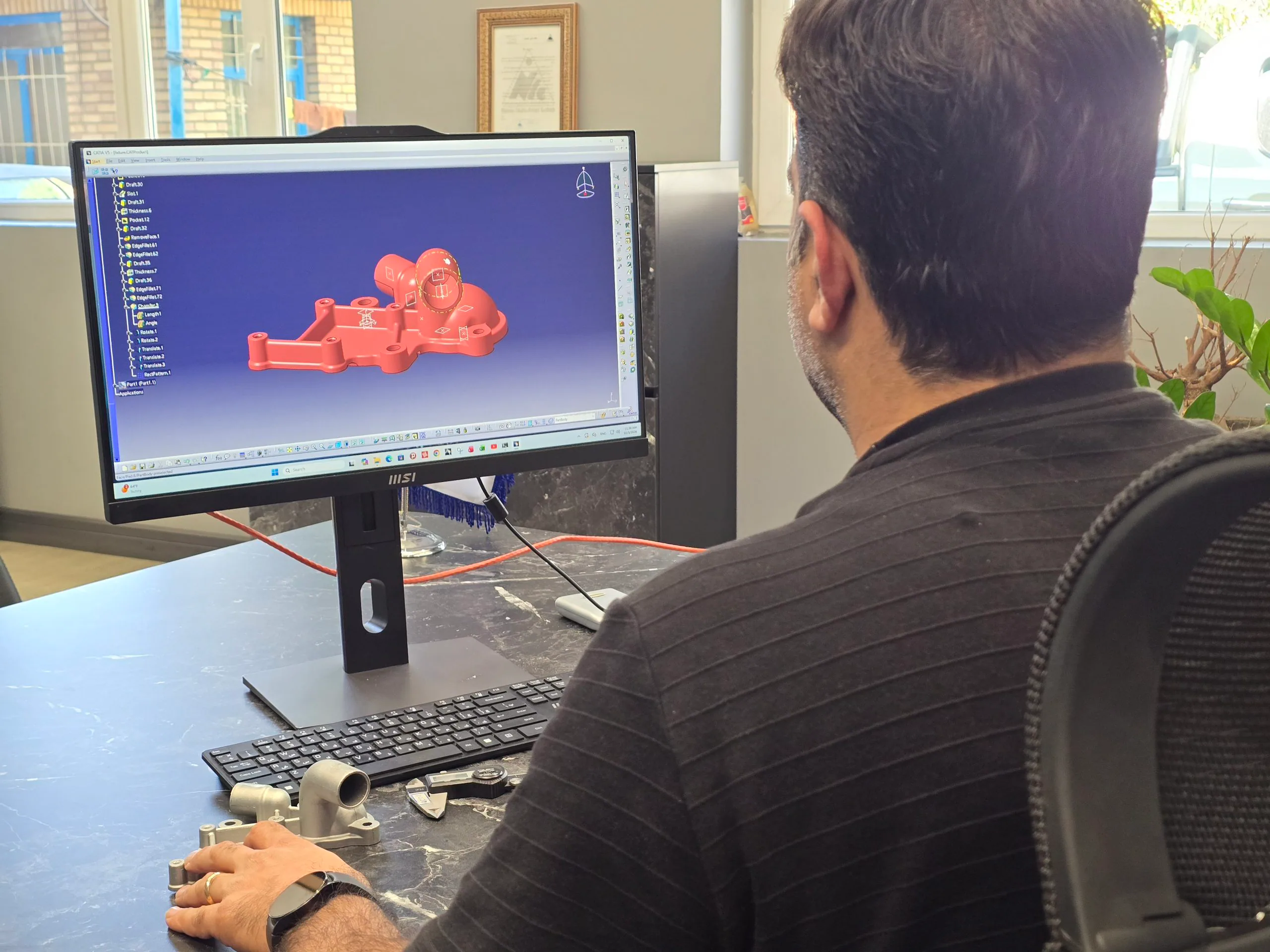
Product and Die Engineering for Die Casting
From functional requirements to a manufacturable model and die concept: the decisions that must be aligned before tooling, testing, and product inspection.
Read Article →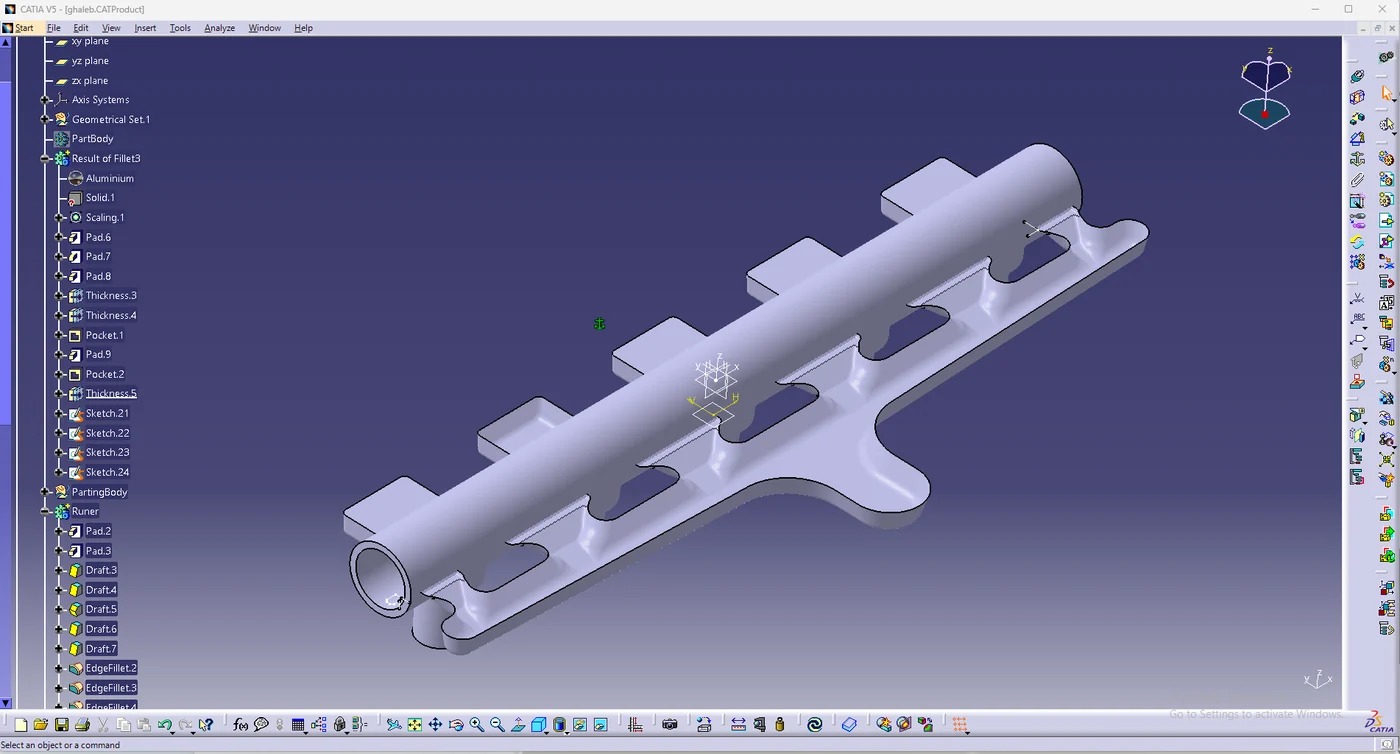
What Is DFM for Die-Cast Components? Product Design Principles for High-Pressure Die Casting
Reviewing product geometry for die filling, ejection, finishing, and inspection, with criteria defined for the specific alloy and process.
Read Article →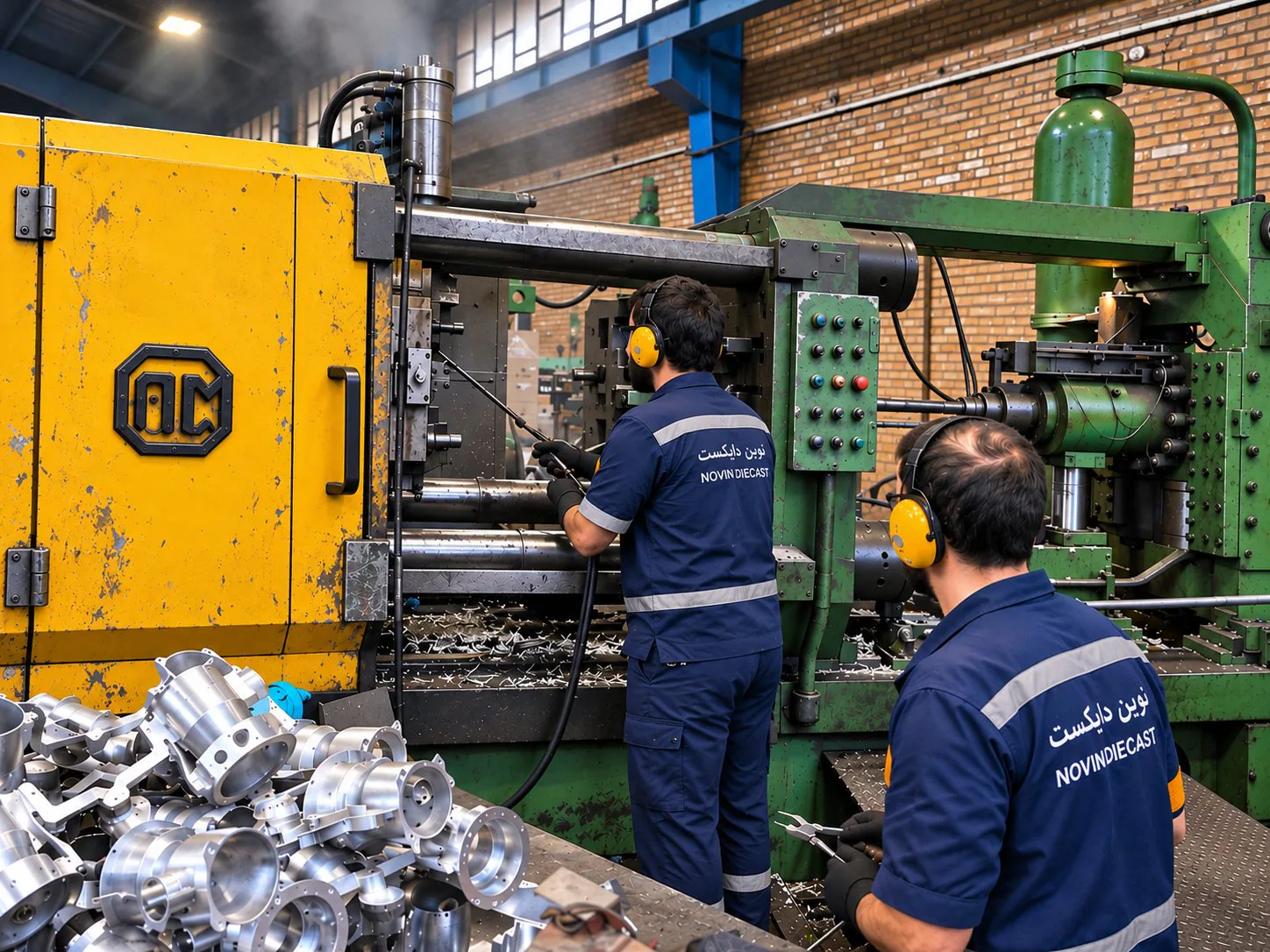
What Is Die Casting? Terminology and High-Pressure Die Casting Explained
The Persian terms commonly refer to the same process; technical specifications should state high-pressure die casting, machine type, and alloy precisely.
Read Article →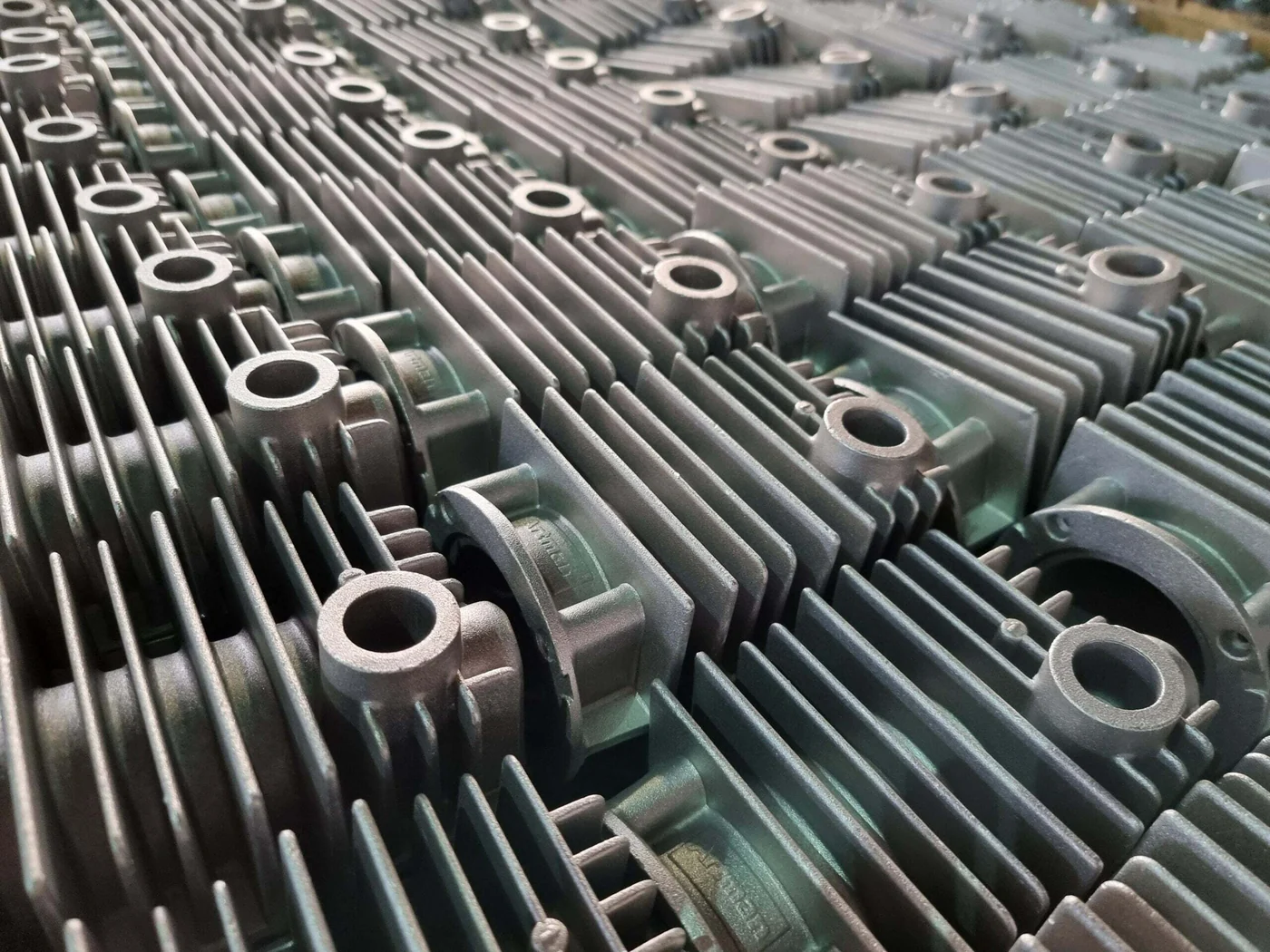
Which Components Are Suitable for Die Casting?
Screening a die-casting project by demand plan, design maturity, geometry, material, and delivery condition, including signs that call for comparing alternative processes.
Read Article →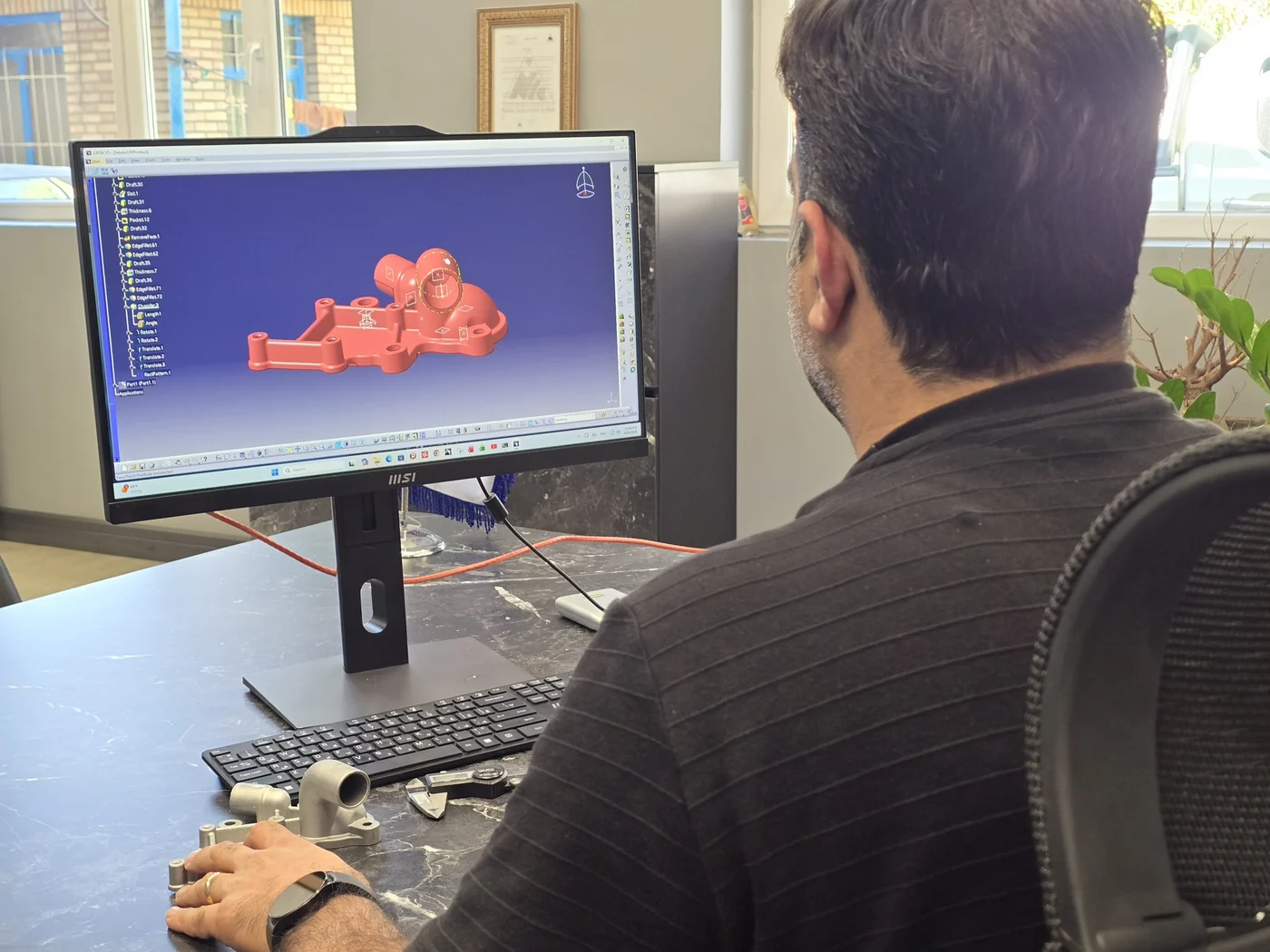
What Information Should You Prepare for a Component Manufacturing Quote?
A strong RFQ is more than a price request: it gives every supplier the same product revision, delivery scope, and decision assumptions.
Read Article →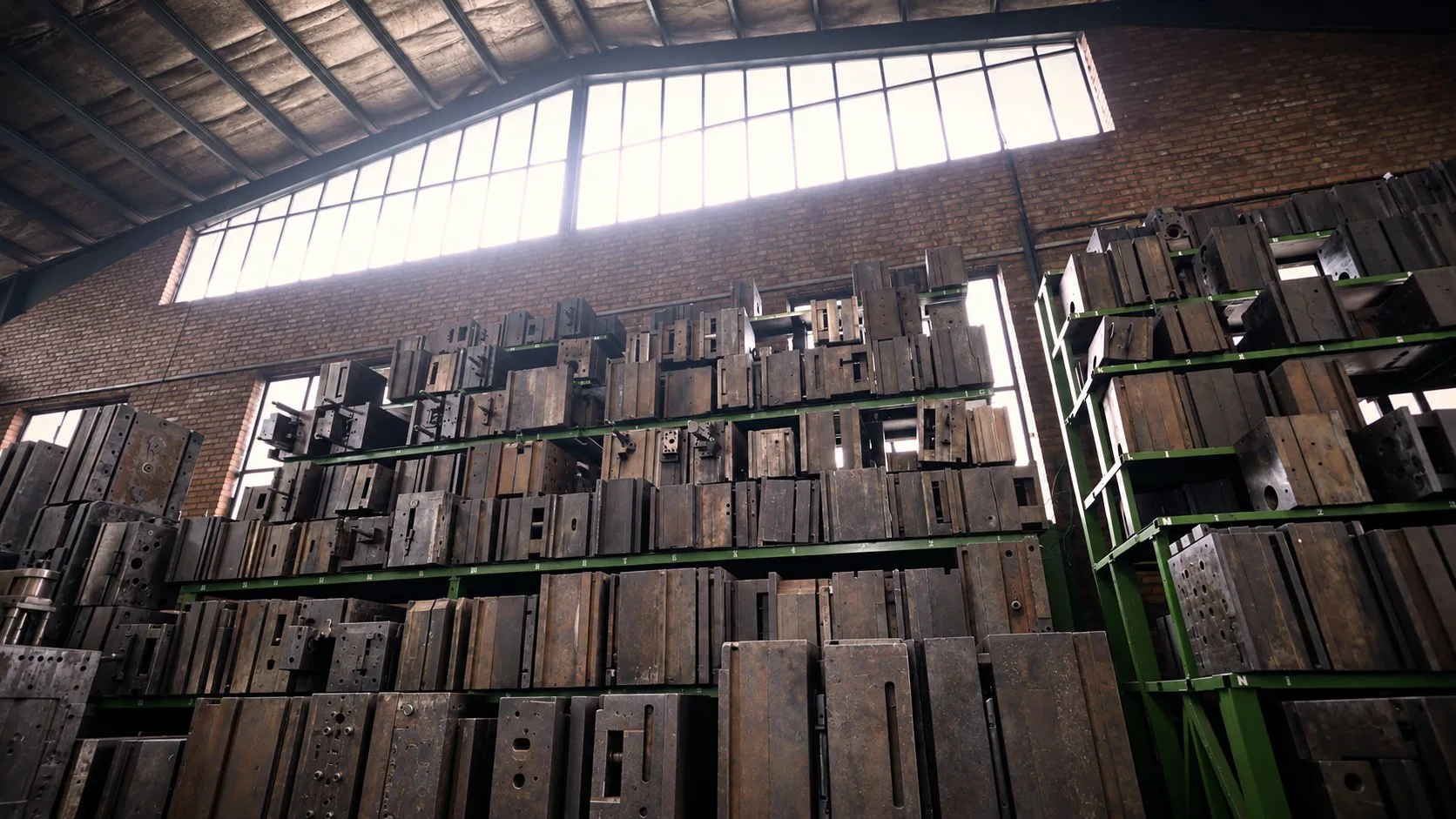
What Determines Die and Die-Cast Component Production Costs?
Component weight is only one cost input; geometry, tooling, production resources, finishing operations, and acceptance criteria also shape the quotation.
Read Article →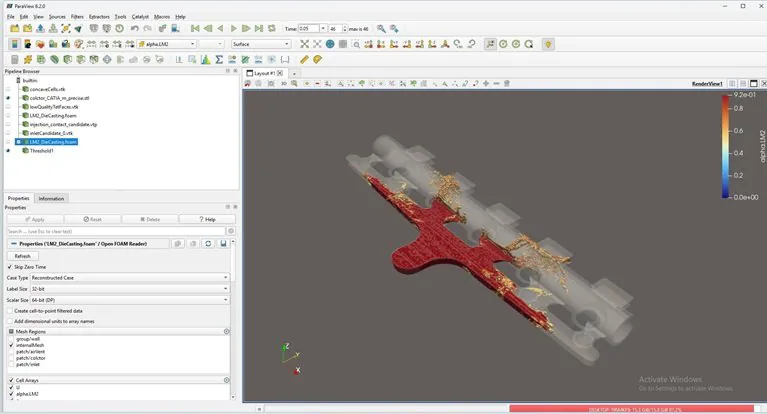
How Does Die-Casting Simulation Support Die Design?
Simulation creates engineering value when the question, numerical model, inputs, and validity limits are clear and the results are checked against physical trials.
Read Article →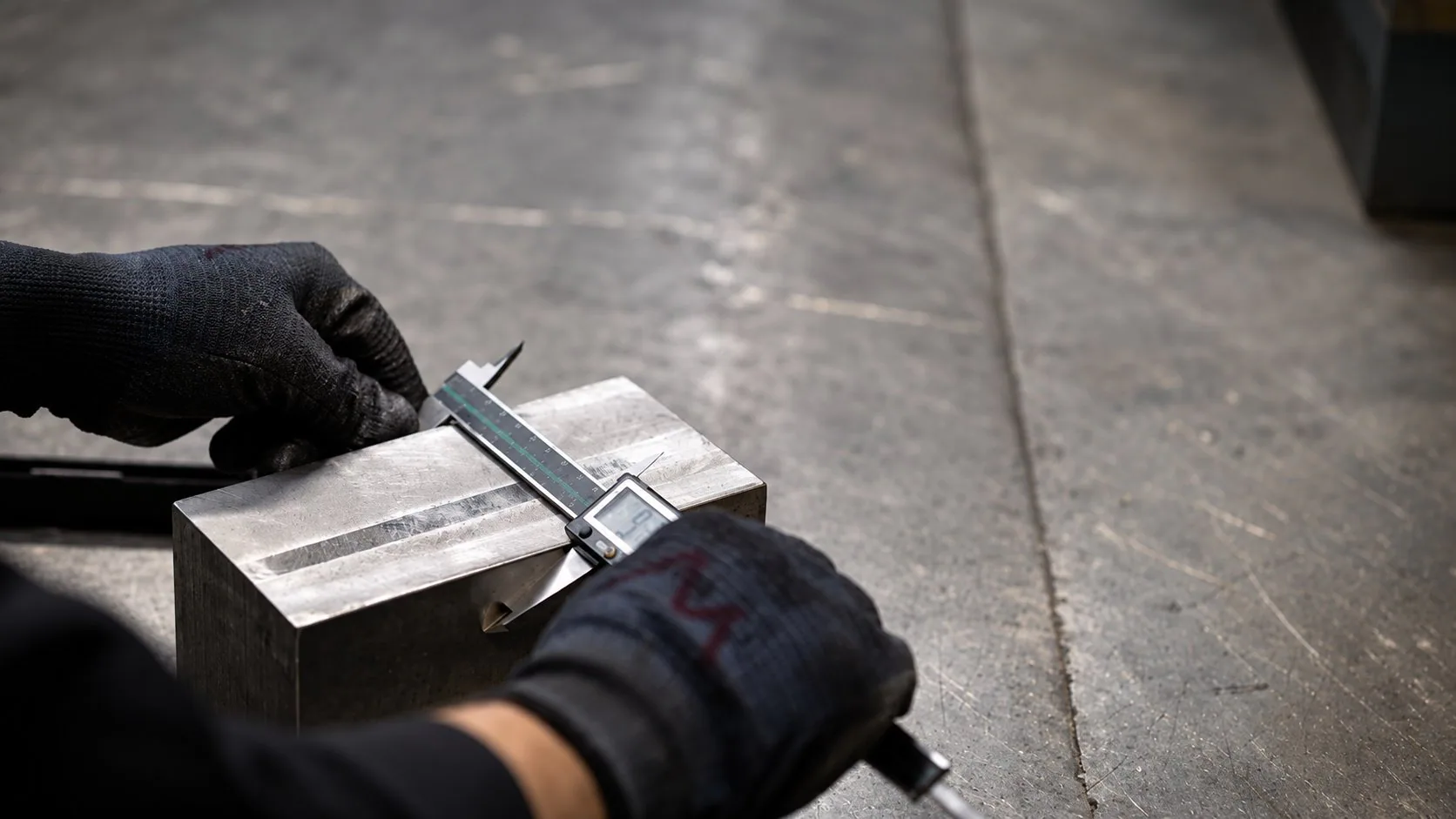
Common Die-Casting Defects: Causes and an Investigation Path
A defect name is only the starting point; potential causes must be assessed against location, stage of appearance, production history, and suitable testing.
Read Article →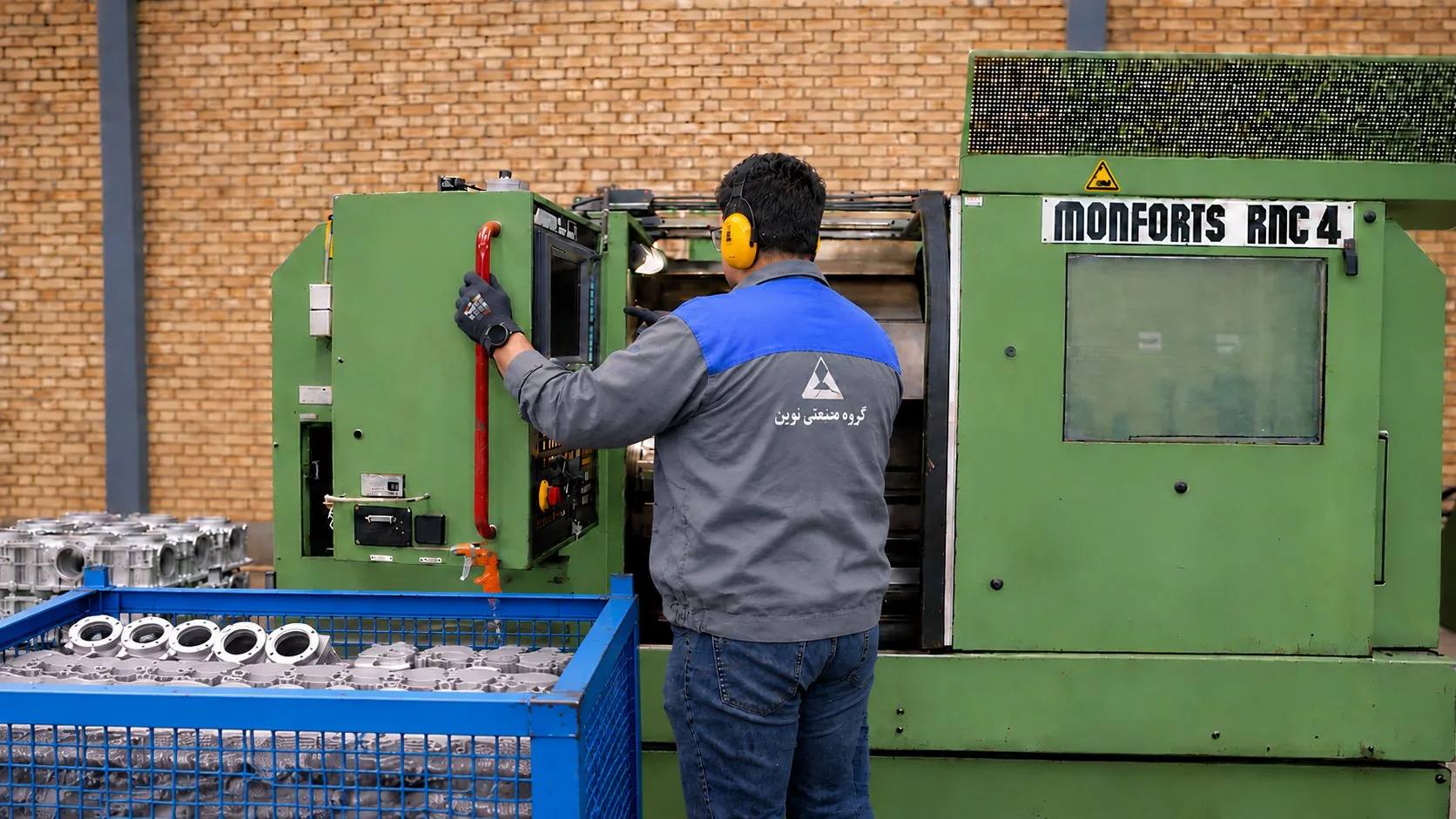
When Is Machining Required After Die Casting?
How can we decide which surfaces should remain as-cast and which features require machining for assembly and performance?
Read Article →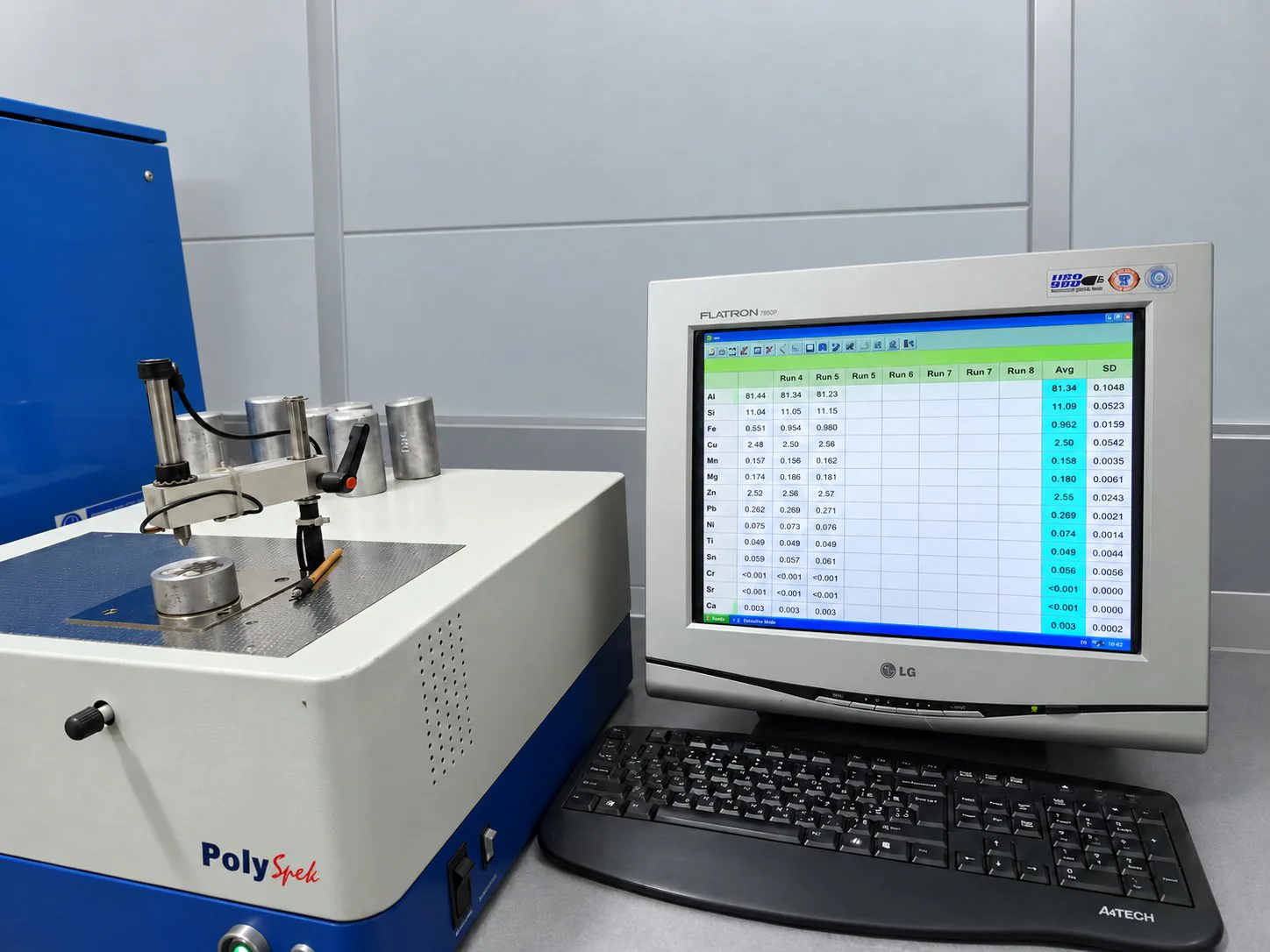
Selecting an Aluminum Alloy for Die-Cast Components
How can component needs be translated into verifiable alloy requirements, and what should be agreed about grade, sourcing, and material control?
Read Article →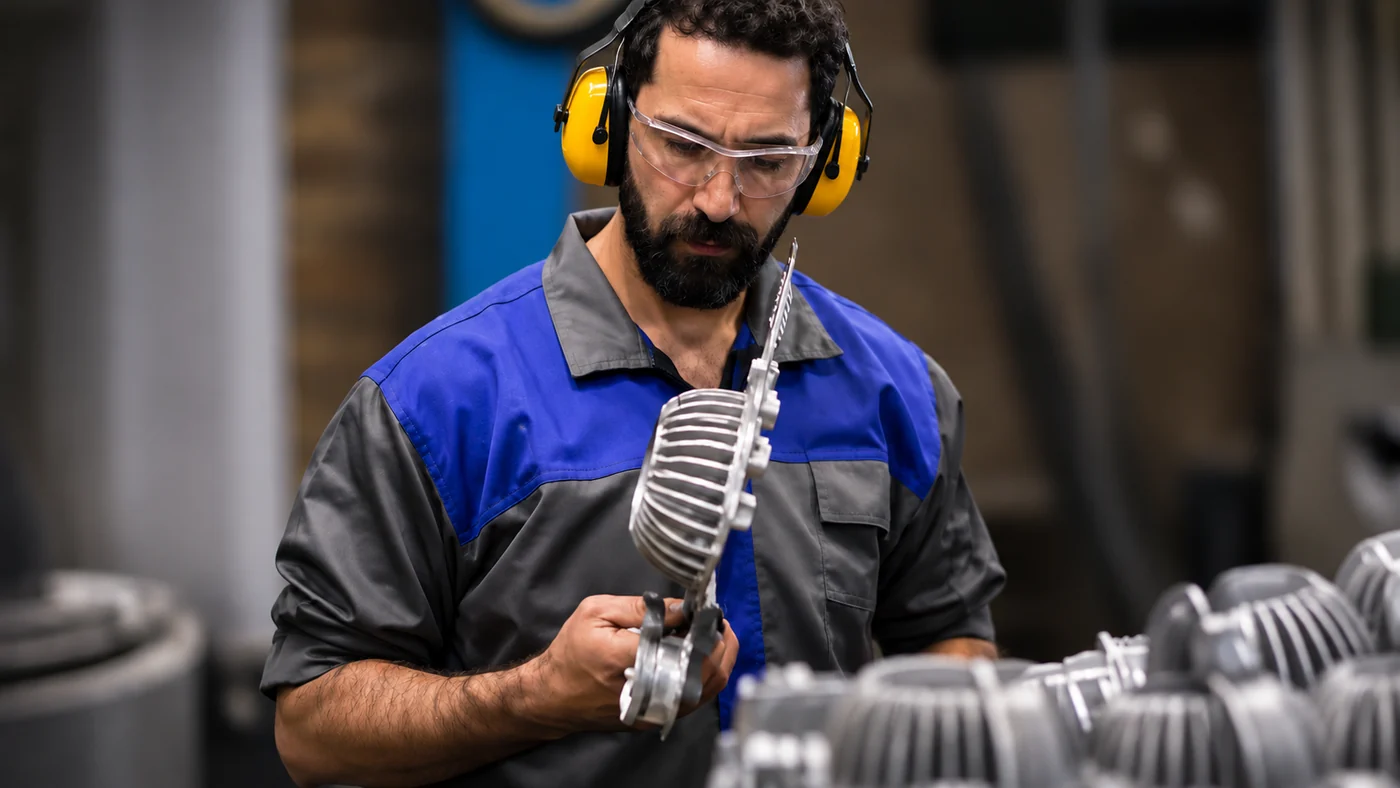
From Prototype to Series Production Approval
What does a prototype prove, and what must be clear about drawing revision, controls, and customer approval before releasing series production?
Read Article →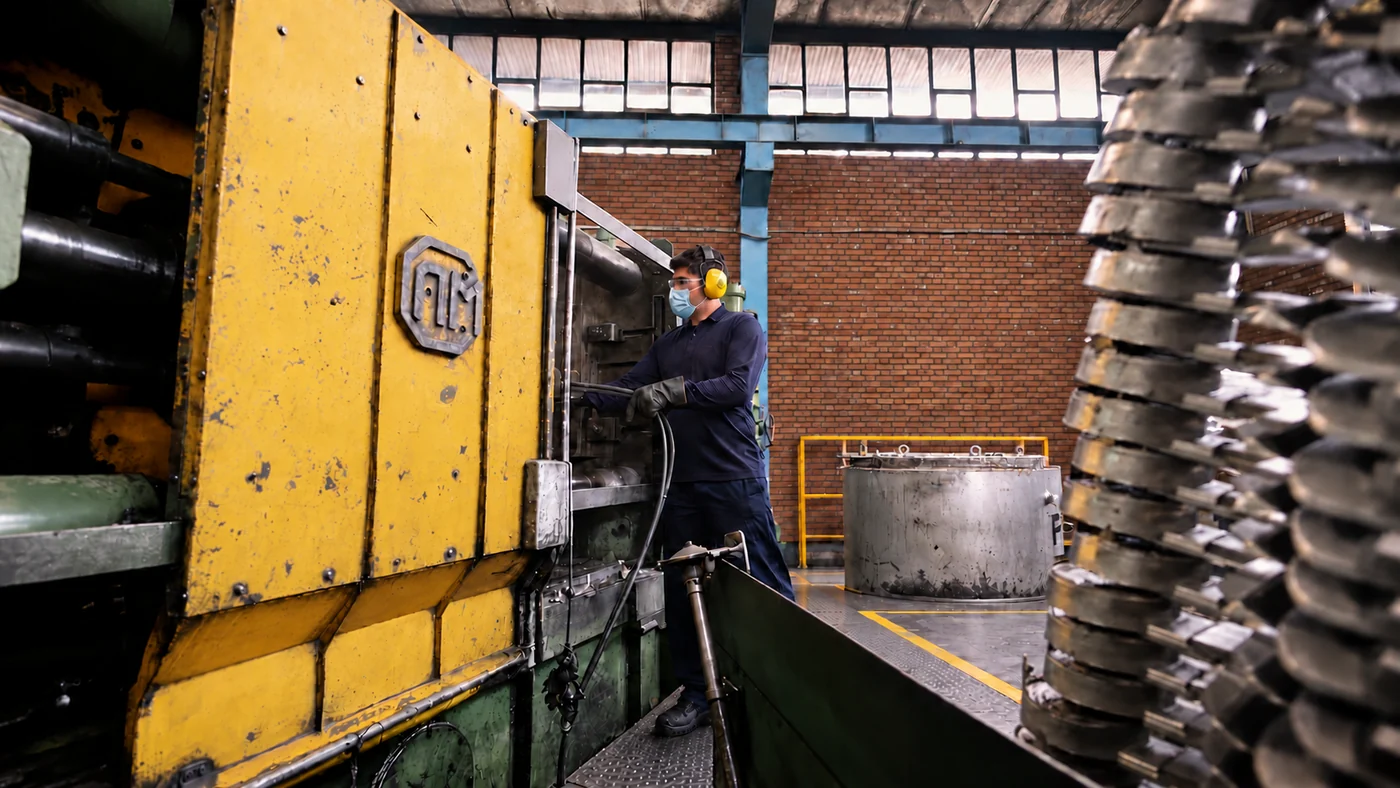
How Do Production Traceability and Monitoring Support Quality?
Recorded data supports quality decisions when product identity, production events, and inspection results can be connected.
Read Article →