
Plan and Assign the Machine
Select the machine in the online system based on tonnage, die dimensions, part characteristics, and order plan.
With 20 cold-chamber die-casting machines from 100 to 630 tonnes, Novin Industrial Group produces aluminum, zinc, and brass parts according to each project’s geometry, alloy, die, volume, and requirements. Planning, process monitoring, and production traceability are managed through the company’s online systems.
Approved settings are retained for every part, and repeat production begins from that part’s established history. Any adjustment is recorded as a new version after joint approval by Production, Engineering, and Quality Control.
At the start of every run, the first-off part is approved, and in-process checks continue according to the part-specific control plan. If a nonconformity is detected, shot data, machine condition, and process history are reviewed to determine the cause and corrective action.
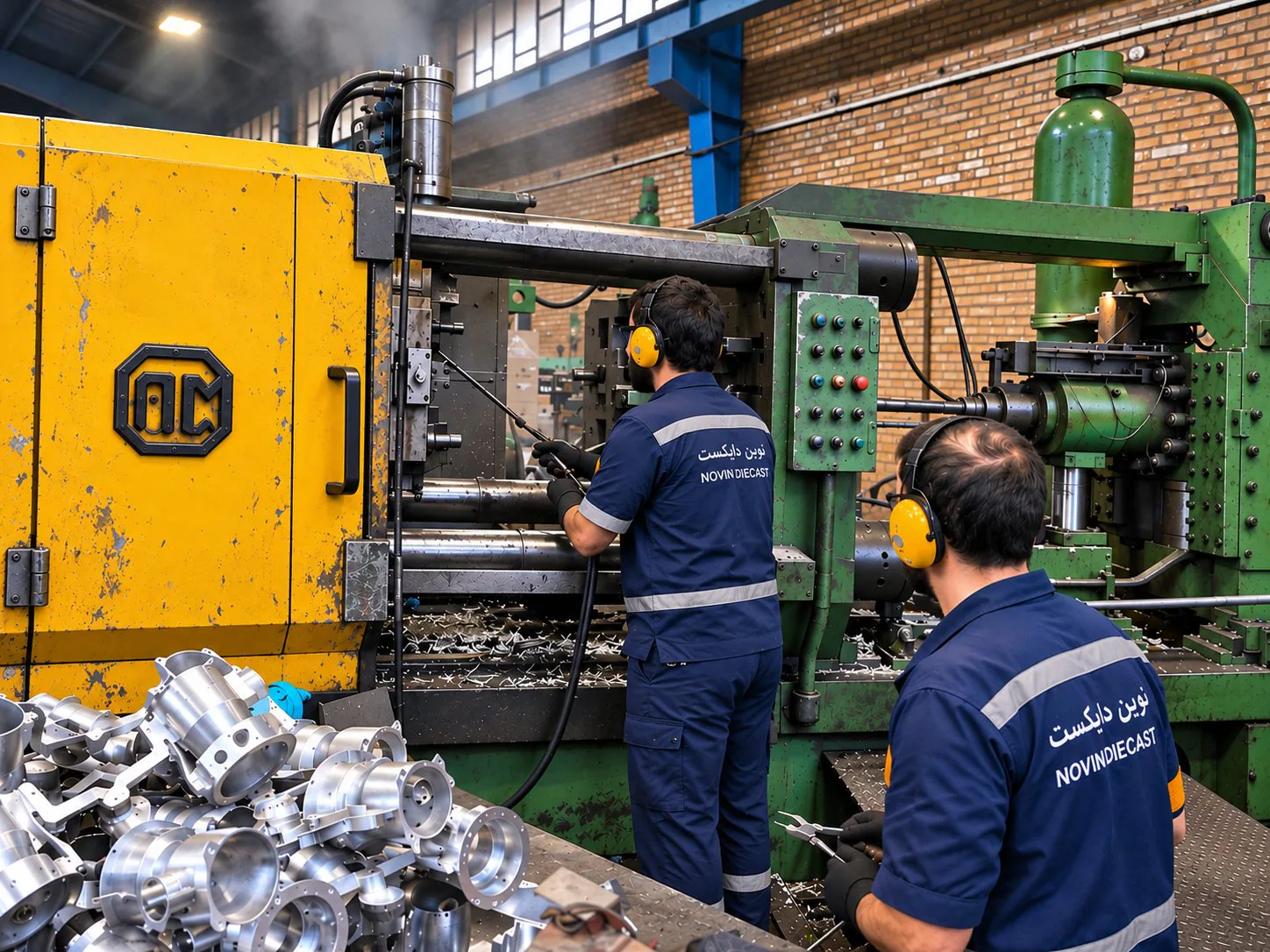
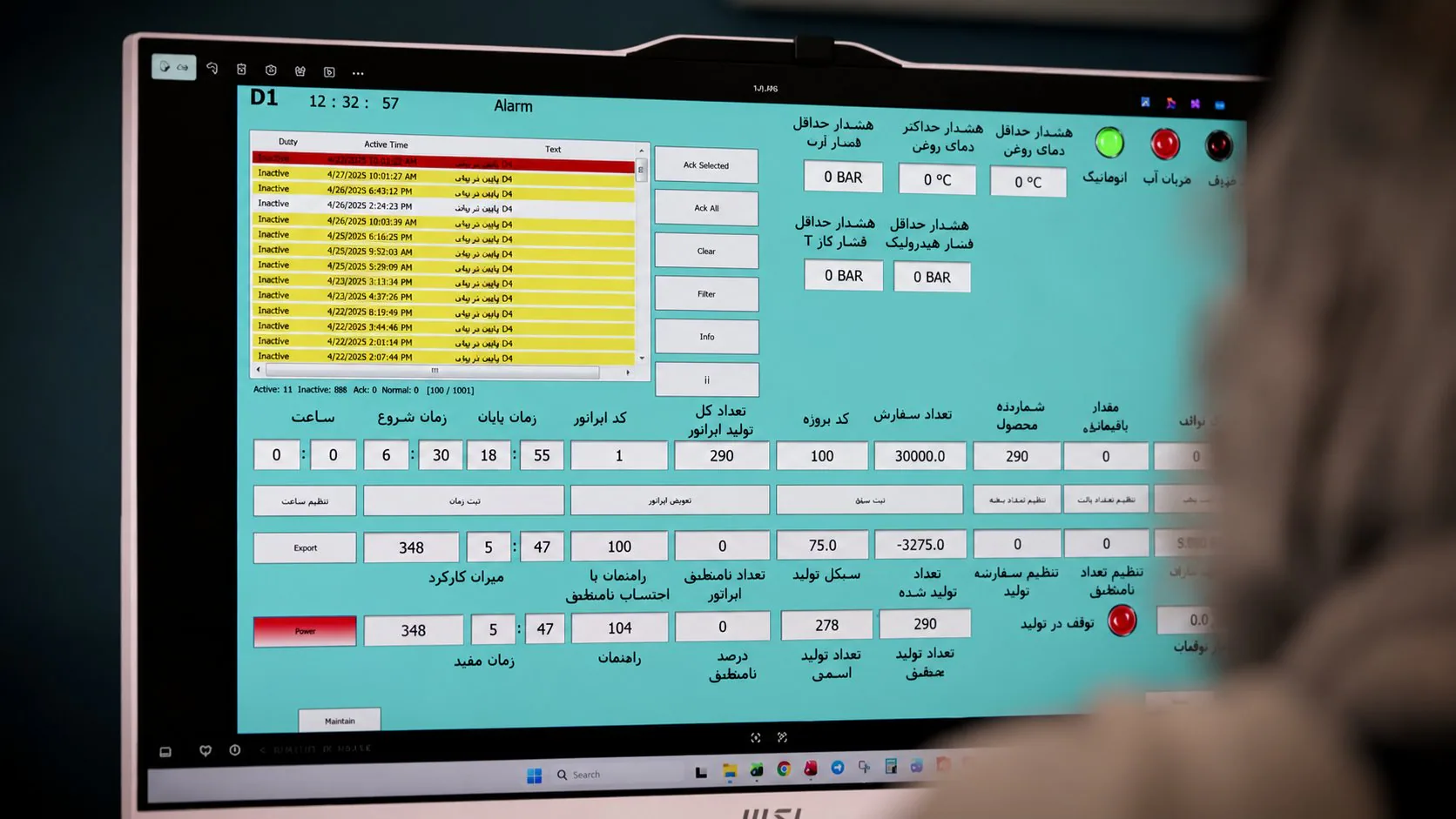
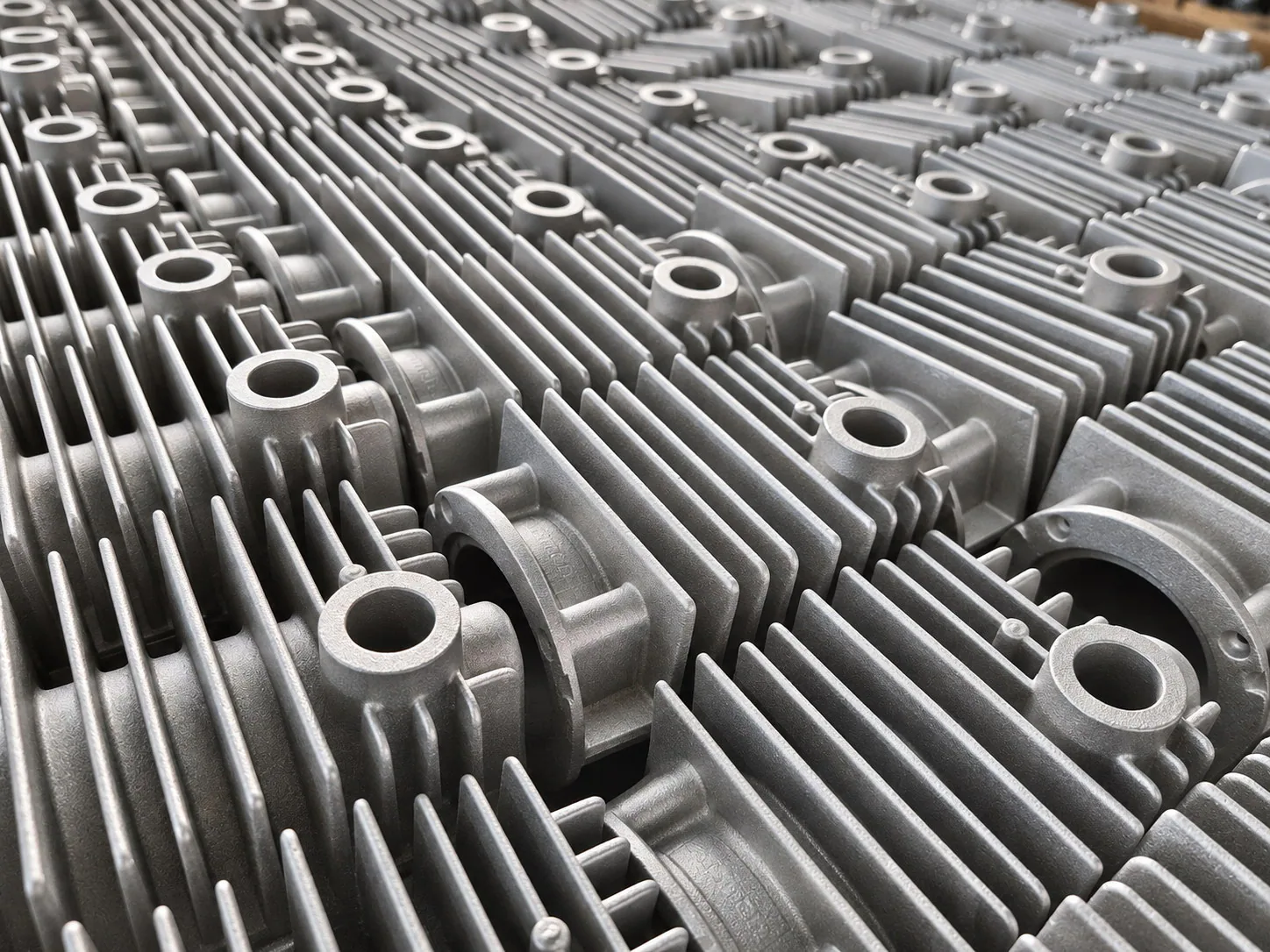
Every order begins with selection of the appropriate machine and conditions and remains traceable through inspection, trimming, and transfer to the next stage.
Select the machine in the online system based on tonnage, die dimensions, part characteristics, and order plan.
Install and verify the die, receive approved melt, and monitor die temperature with a laser pyrometer according to production conditions.
Retrieve approved part settings and record a new version if pressure, plunger movement, or other injection conditions are adjusted.
Quality Control inspects the start-up sample and authorizes the order to continue against part-specific criteria.
Record every shot, perform periodic checks, and document the response to deviations or nonconforming parts.
Select the appropriate method to remove runners and excess material, preserve production identification, and transfer the part to finishing or the next inspection.
A cold-chamber fleet that enables machine selection to suit the die, part, and project volume.
Connect actual machine conditions with production results to analyze nonconforming parts.
Maintain the link between the part, material, equipment, and production personnel throughout the order.
Select the production route according to the actual alloy grade, part geometry, and project requirements.
Some inquiries use informal market terms for alloys; Novin bases its evaluation on the actual alloy grade and composition.
We review the drawing, production volume, alloy, and die status to define the technical route and any additional information required.